Athletes
How Elite Endurance Athletes Train
37 profiles of how the best endurance athletes train, from Kipchoge's easy kilometres to Pogačar's power numbers. Each one sticks to what the athlete, their coach or published data actually shows, and ends with what you can take into your own training. Pick a sport, then read the profile.
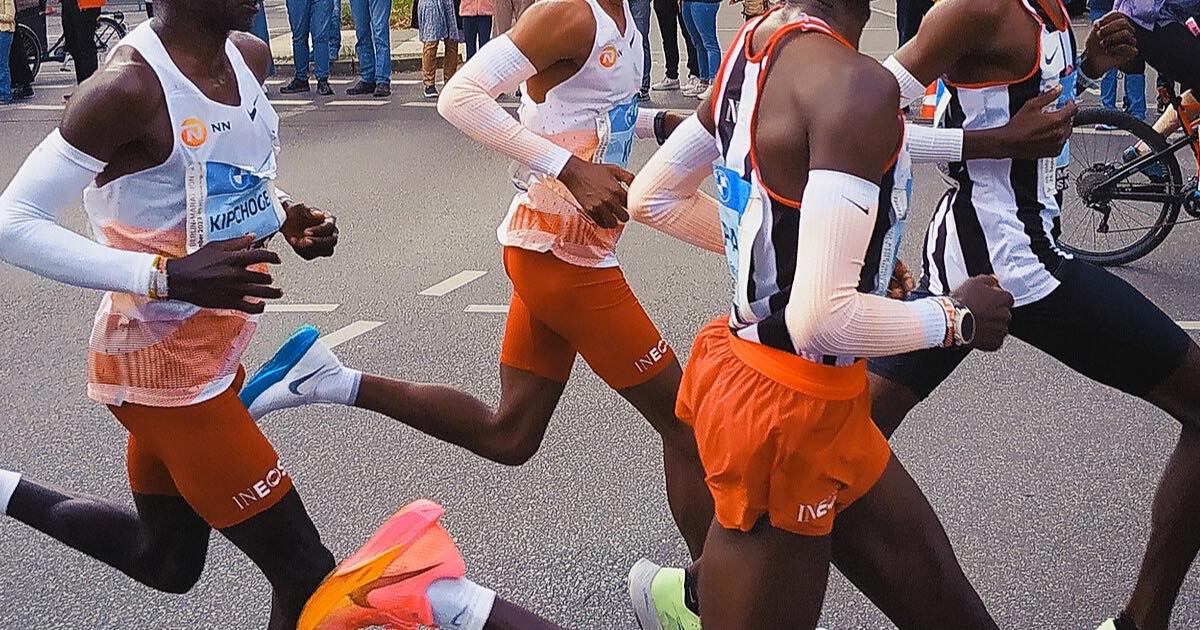 RunningEliud KipchogeKipchoge never runs a session flat out. The 80/50 week behind the greatest marathon career ever, and why it has him racing seven continents at 41.How they train →
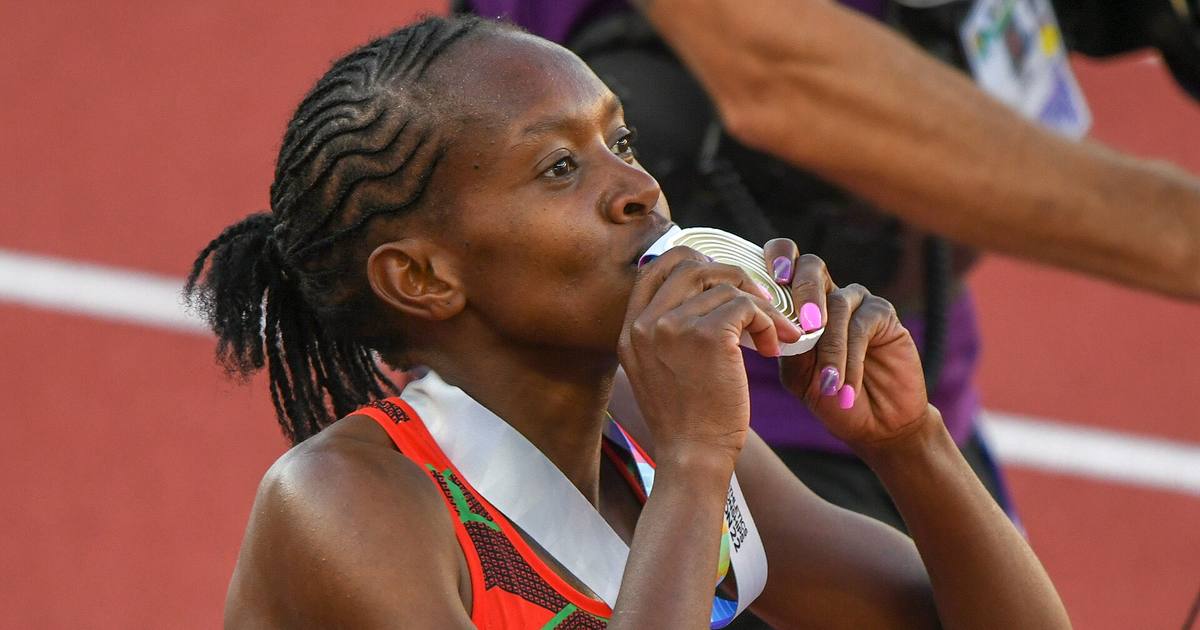 RunningFaith KipyegonFaith Kipyegon holds the 1500m and mile world records, trains in Kipchoge's Kaptagat camp under Patrick Sang, and got faster after becoming a mother.How they train →
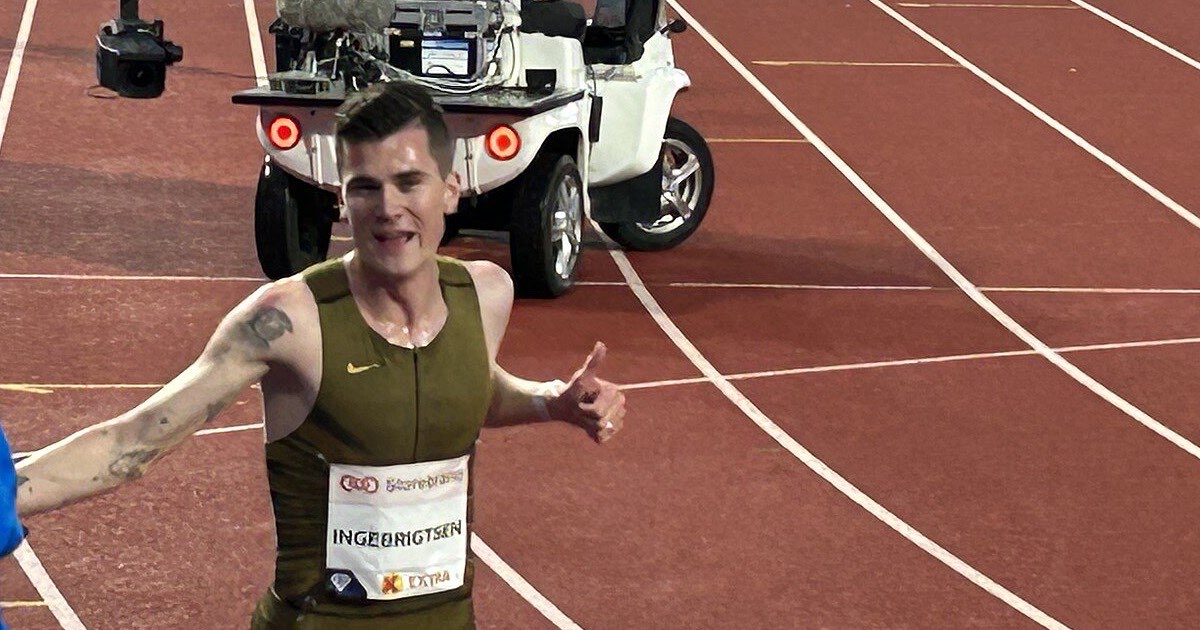 RunningJakob IngebrigtsenIngebrigtsen's week: two double-threshold days, every rep capped by a lactate meter. The injury blind spot it missed, and the post-surgery comeback.How they train →
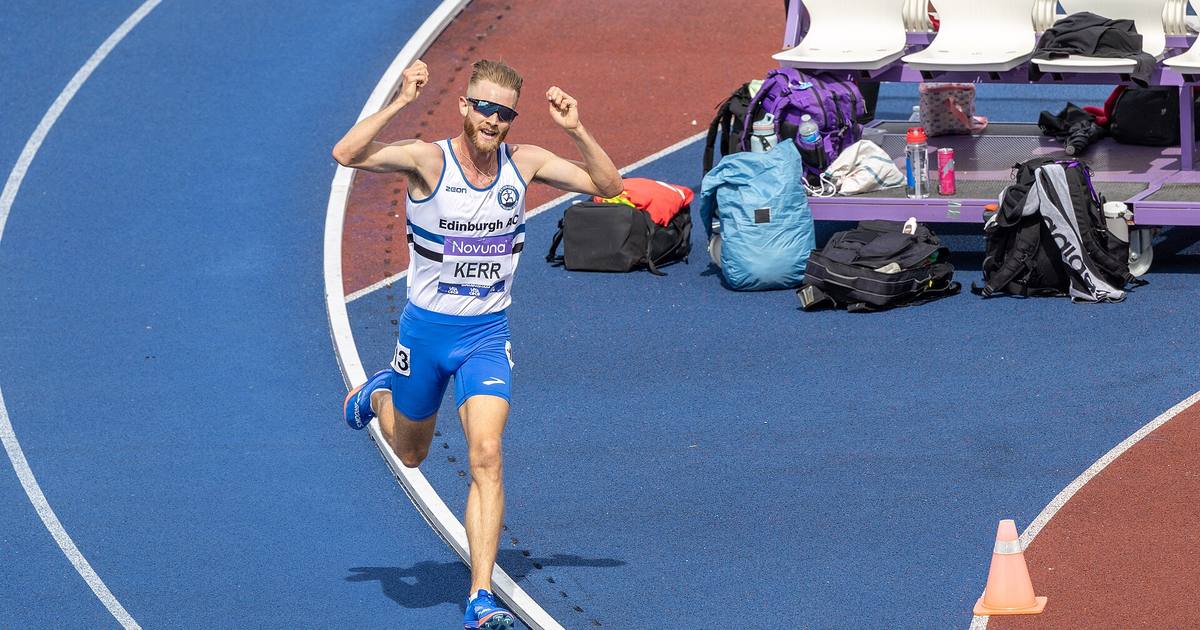 RunningJosh KerrJosh Kerr ran 3:42.66 on 18 July 2026 and ended a 27-year-old mile world record. The training and pacing behind Project 222.How they train →
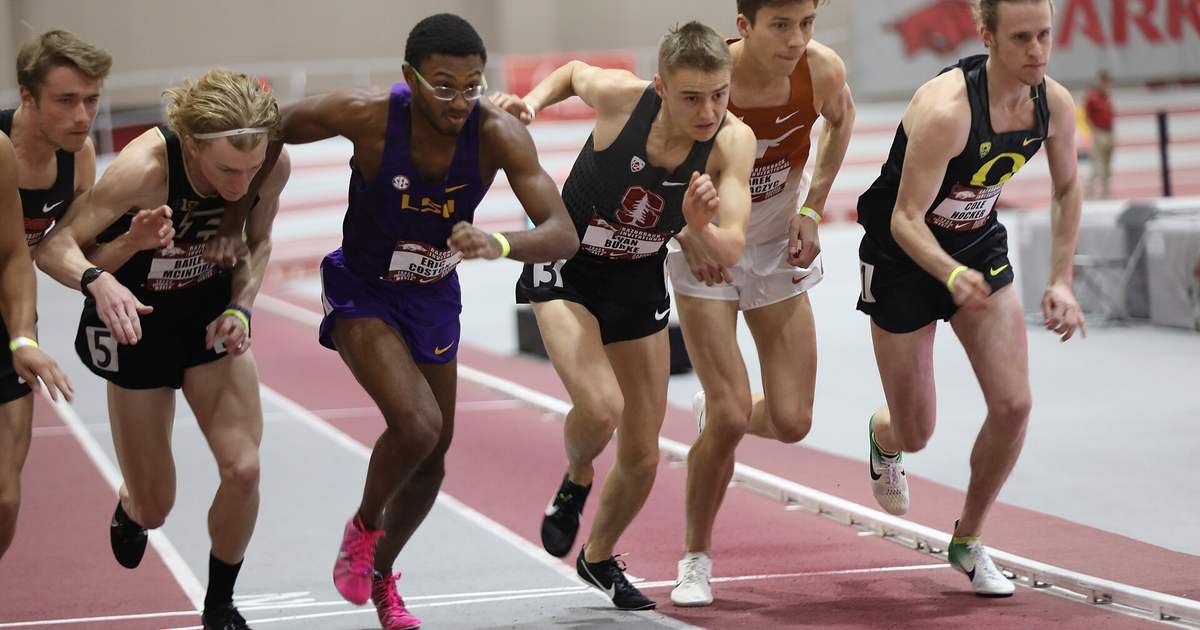 RunningCole HockerCole Hocker is Olympic 1500m champion, world 5000m champion and the second-fastest indoor miler ever. How one number predicts your pace at every distance.How they train →
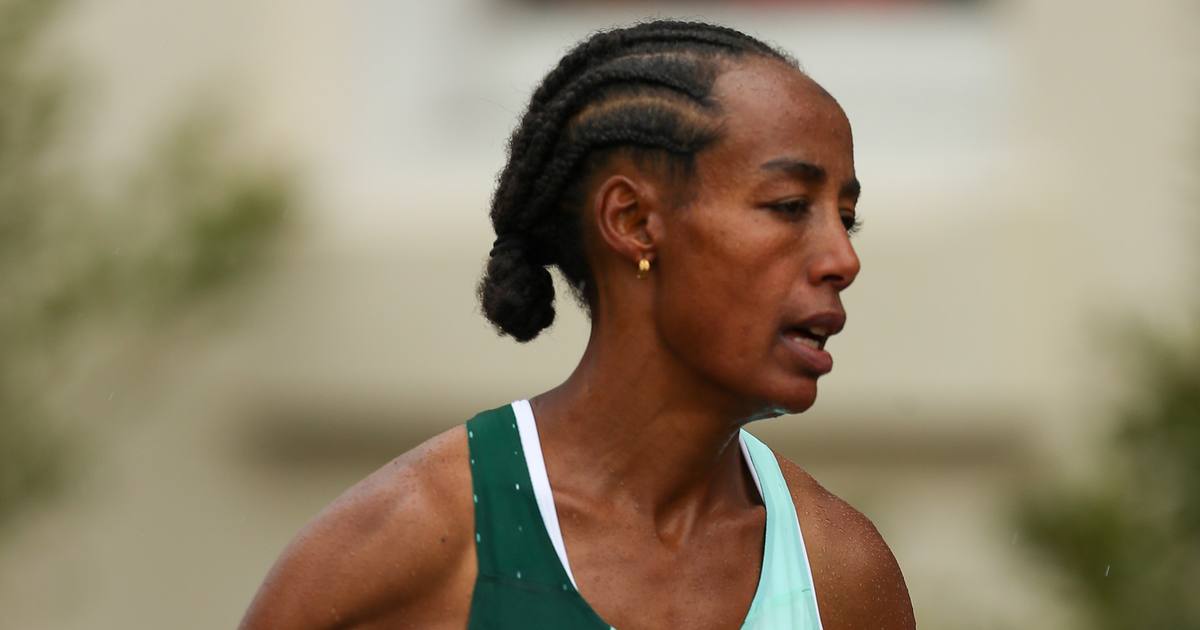 RunningSifan HassanSifan Hassan medals from 1500m to the marathon. The range behind it, and how one race result predicts your time at every other distance.How they train →
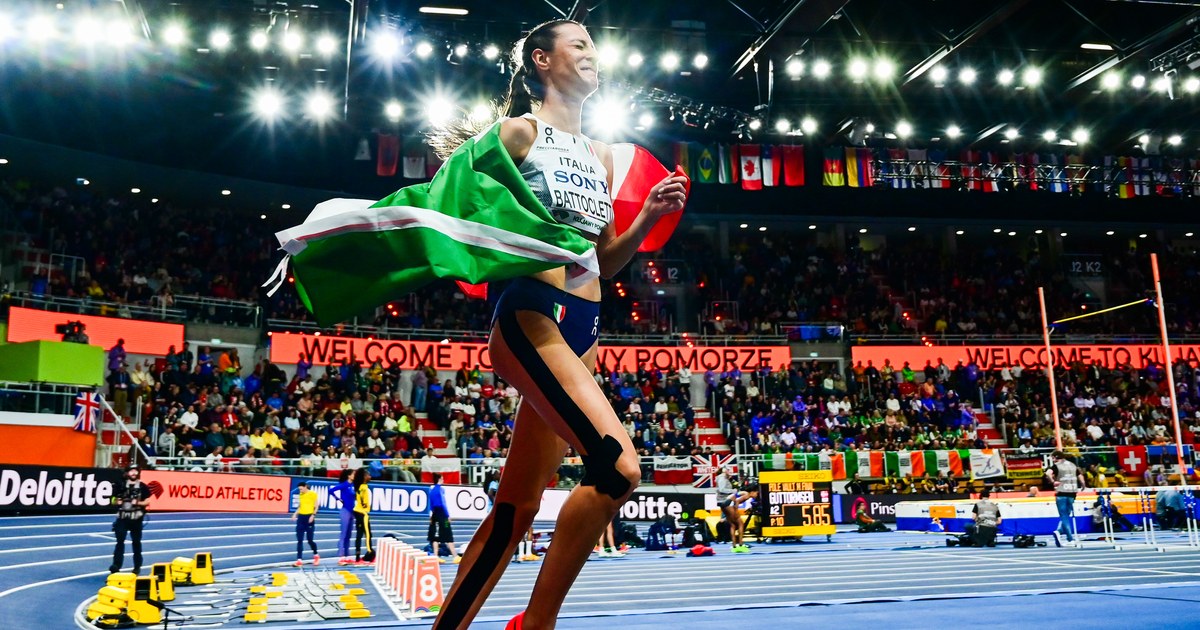 RunningNadia BattoclettiBattocletti has Olympic and world 10,000m silver on 80 to 90km a week, coached by her father. The low-volume, cross-country-built system behind it.How they train →
 RunningGesa KrauseKrause won European steeplechase gold at 34, eight years after her last one and three years after her daughter was born. The zone lesson inside.How they train →
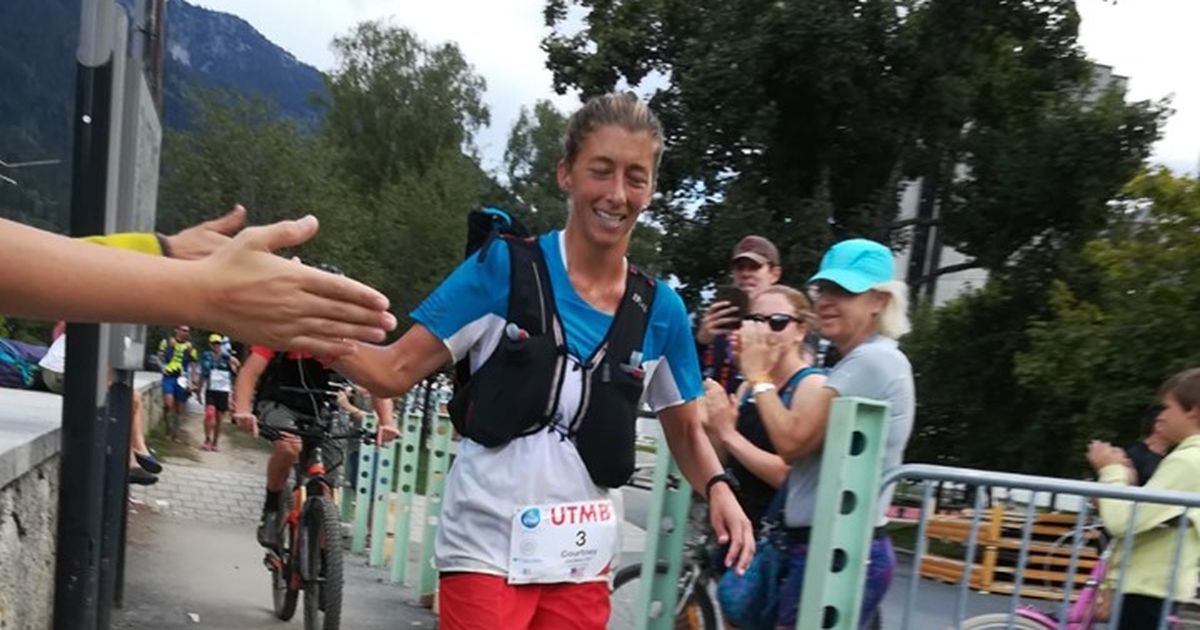 Trail and mountainCourtney DauwalterThe best ultrarunner alive trains by feel: no coach, no plan, no heart-rate data. Why it works for her, and what a heart-rate cap gives the rest of us.How they train →
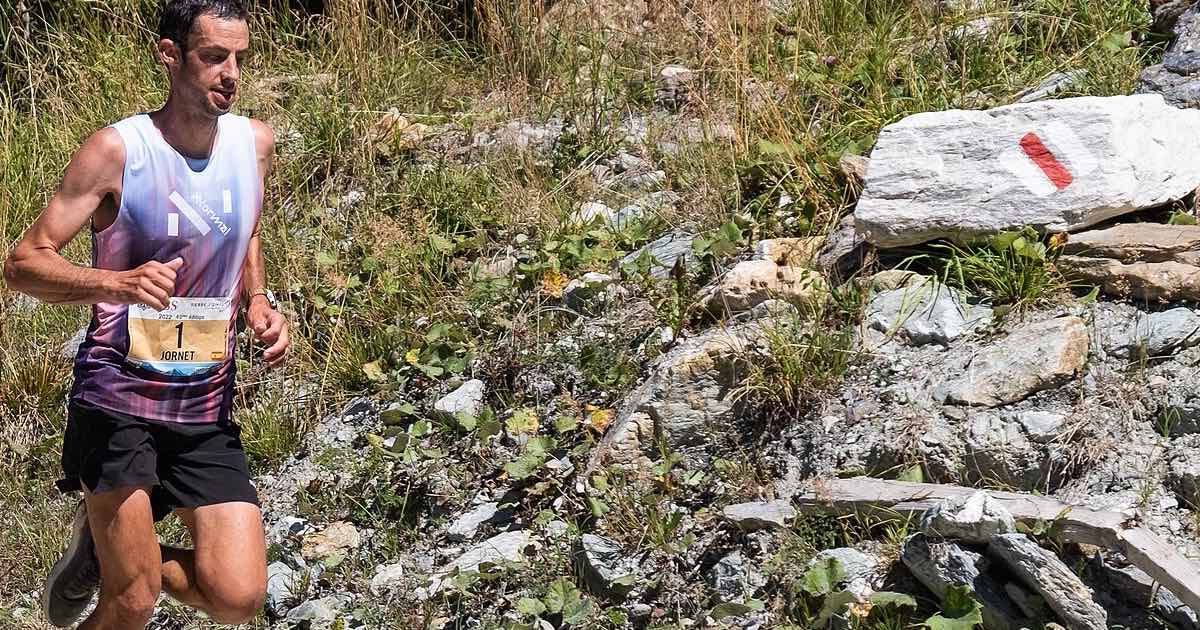 Trail and mountainKilian JornetKilian Jornet measures training in vertical gain, builds a 3 to 4 month easy base every year, and coaches himself by feel. The method and the 2026 season.How they train →
 Trail and mountainRémi BonnetBonnet climbed 1,000m in 27:21 on a 50% gradient. Vertical ascent rate is the honest number in uphill sport, and here is how to work out your own.How they train →
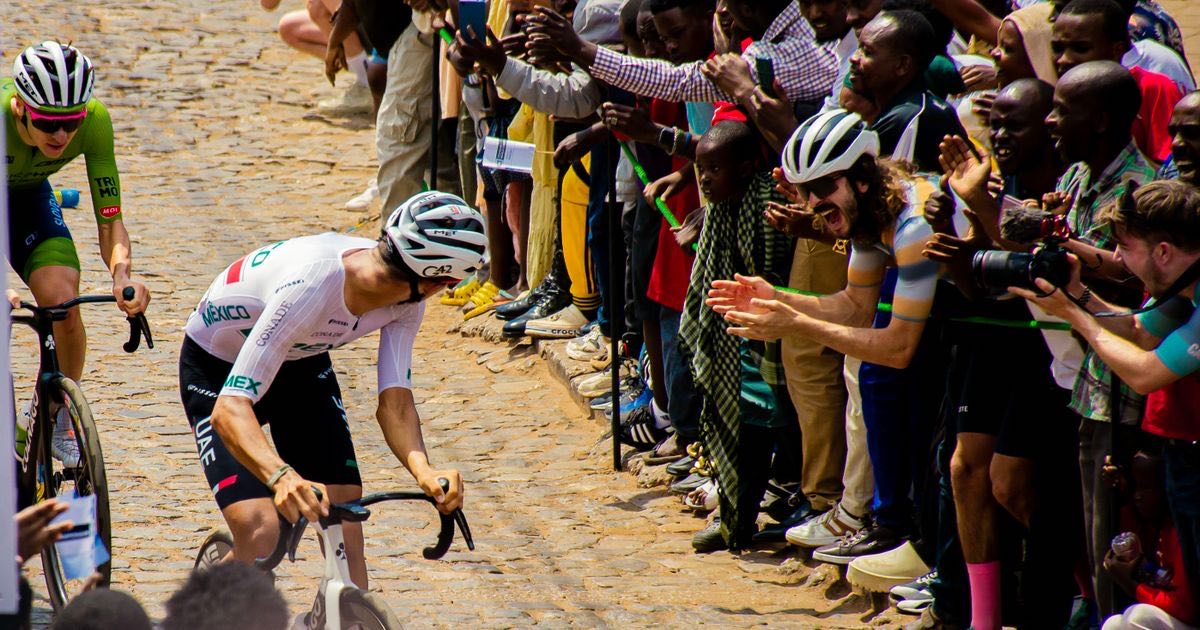 CyclingTadej PogačarPogačar's training: a mountain of easy Zone 2, a small dose of very hard work, gym strength, and a deliberate 2026 weight gain for the Classics.How they train →
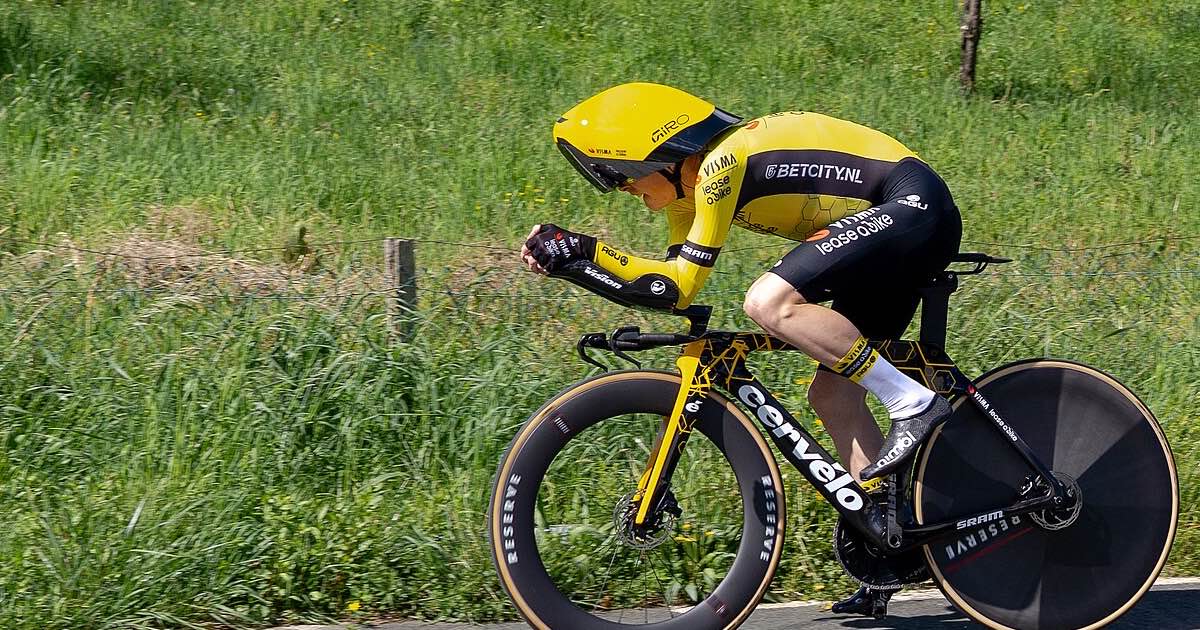 CyclingJonas VingegaardVingegaard's training rests on measured thresholds, few race days and years of patience. The method, the 2026 Giro-Tour change, and what to copy.How they train →
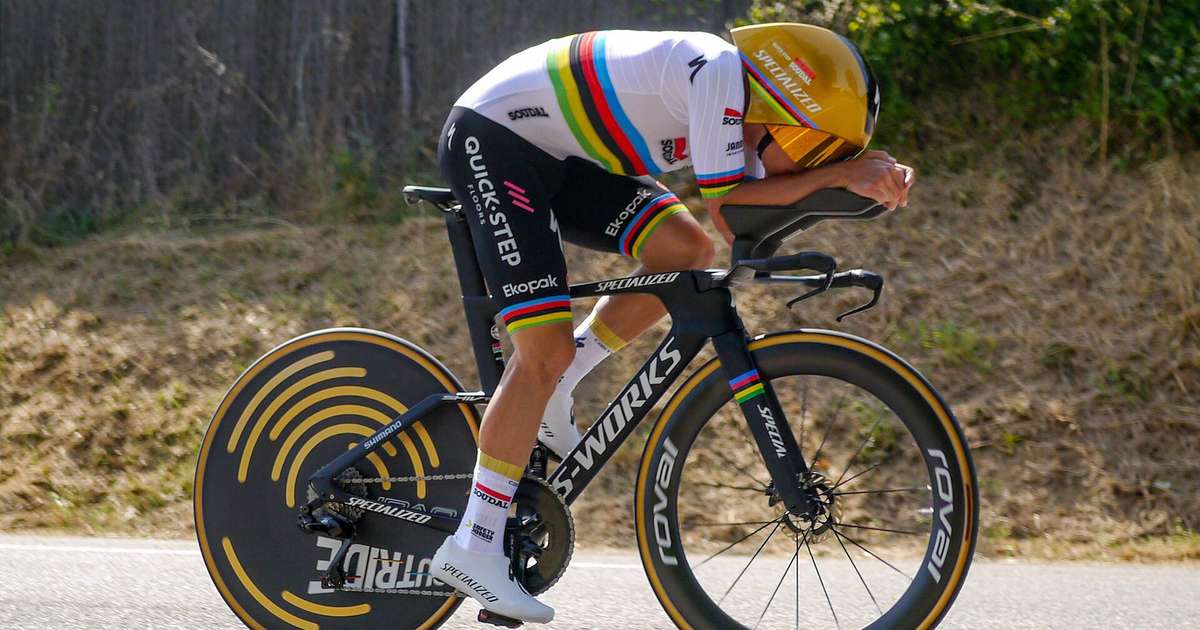 CyclingRemco EvenepoelEvenepoel came to cycling from football and won Olympic time-trial gold. His power-based method, why his famous VO2max is disputed, how to estimate yours.How they train →
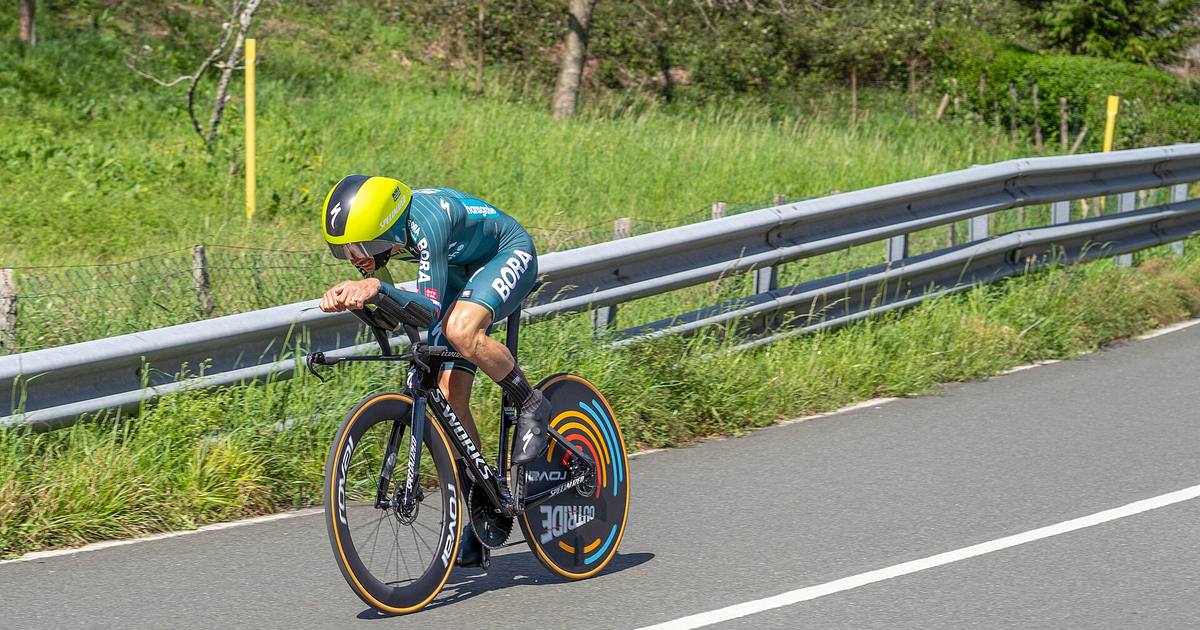 CyclingPrimož RogličRoglič was a pro ski jumper who started cycling at 22, then won four Grand Tours. What the late switch teaches about starting a sport as an adult.How they train →
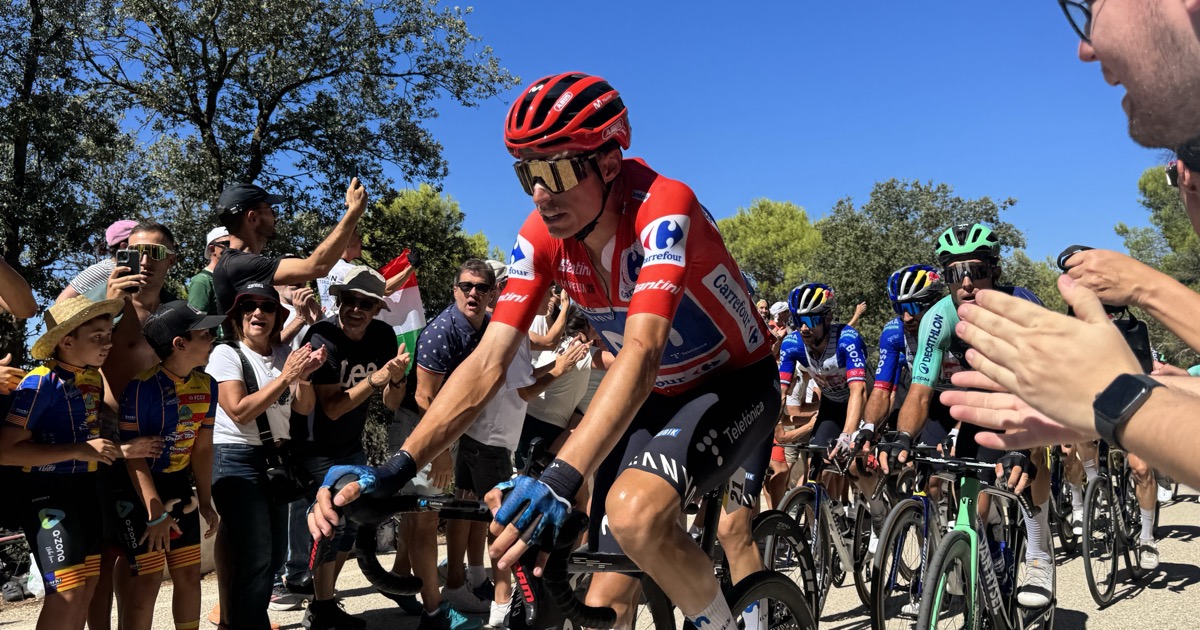 CyclingEnric MasMas lost half of 2025 to a blood clot and was 32nd at the Giro in May. On 13 September he won the Vuelta. How the comeback was built, block by block.How they train →
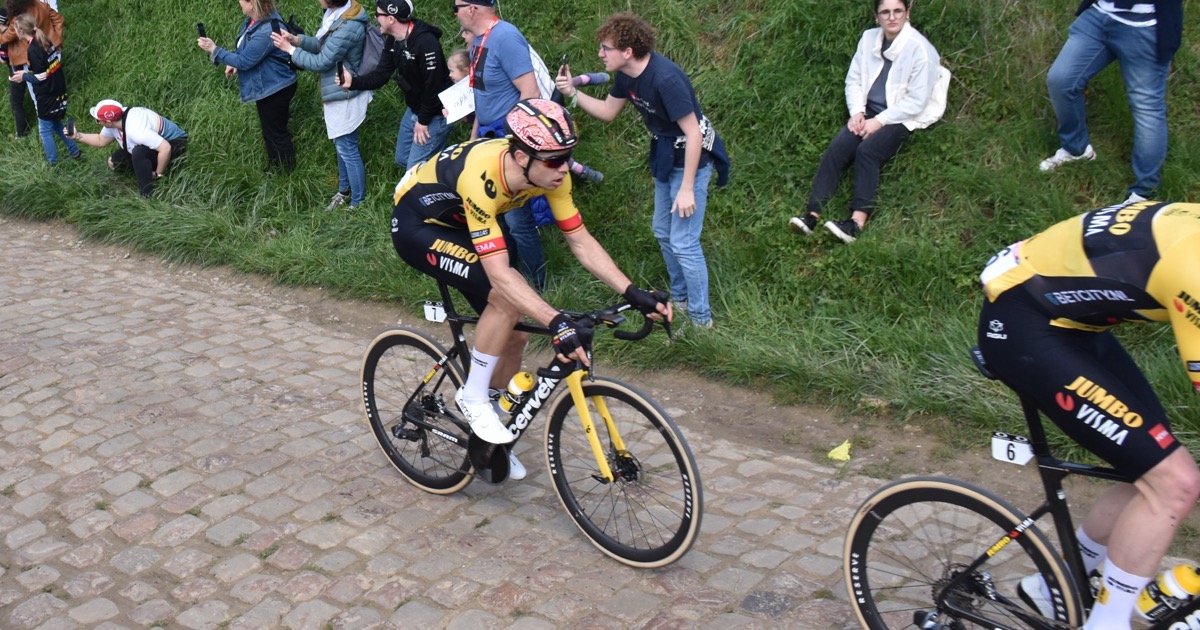 CyclingWout van AertVan Aert won the fastest Paris-Roubaix ever, then two Vuelta stages. The training idea behind it is one number his team spent years lowering: VLamax.How they train →
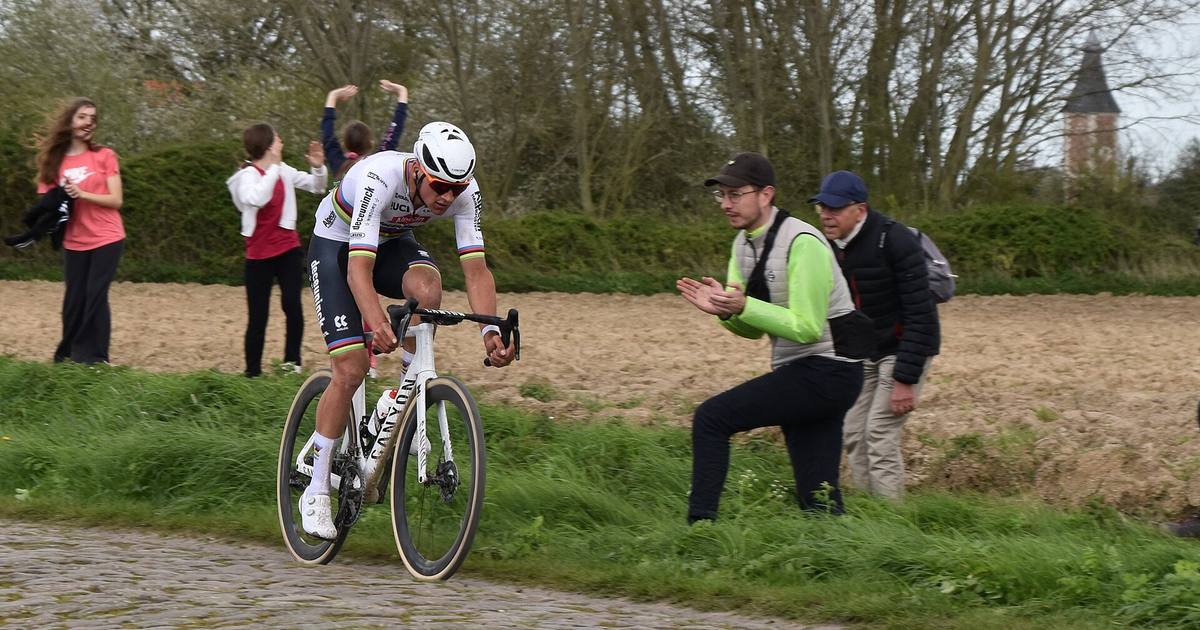 CyclingMathieu van der PoelVan der Poel is world champion on the road, in cyclocross and on gravel. How one engine spans three disciplines, and why he isn't sure cyclocross helps his road form.How they train →
 CyclingMatthew BrennanBrennan won five stages of the 2026 Vuelta on his Grand Tour debut at 21. Under the sprint sits a track pursuiter's engine. Here is how it works.How they train →
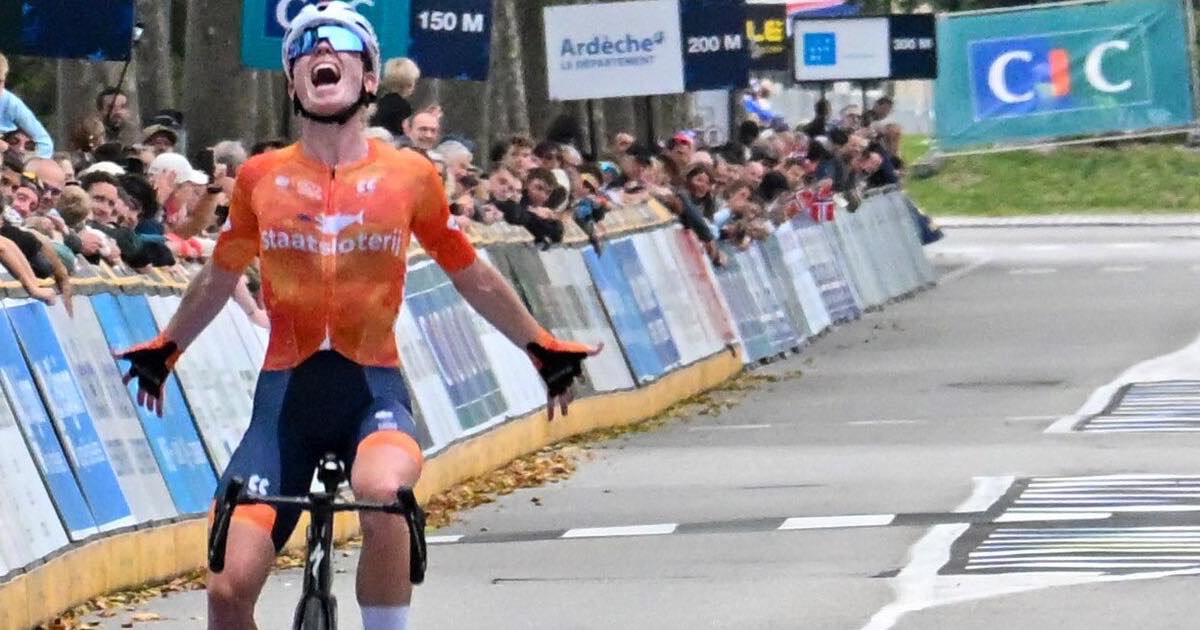 CyclingDemi VolleringVollering cut her racing from 29 days to 18, bet on training blocks over race days, and won the 2026 Tour de France Femmes. The method, and what to steal.How they train →
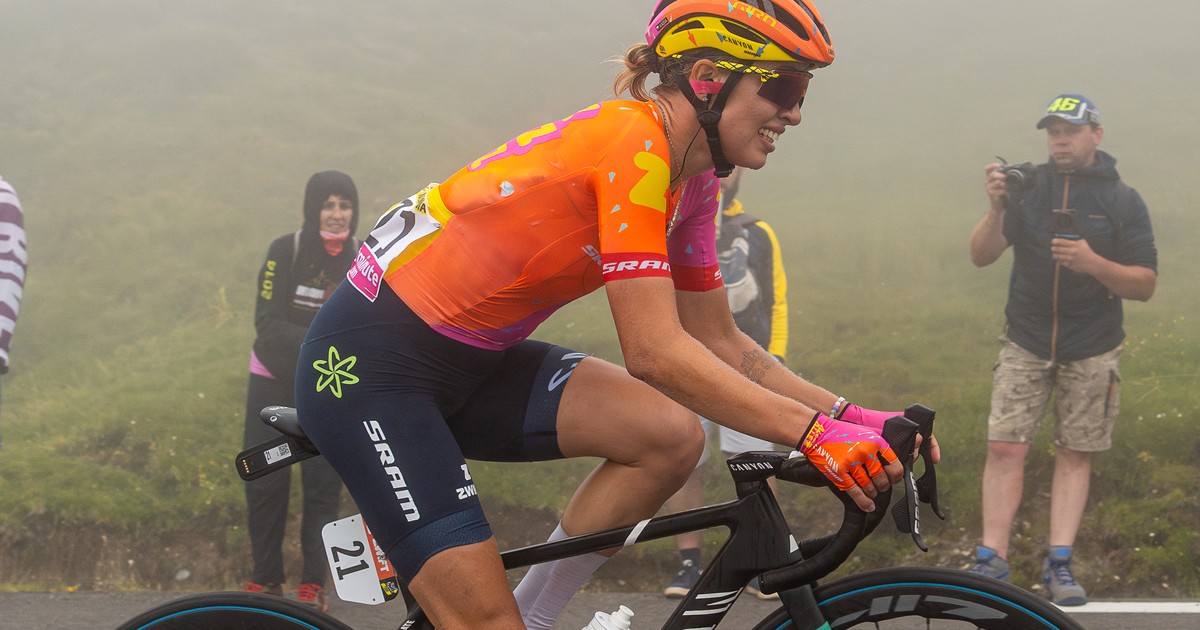 CyclingKasia NiewiadomaKasia Niewiadoma soloed Mont Ventoux to take yellow at the 2026 Tour de France Femmes. The recon, the pacing and the watts per kilogram behind it.How they train →
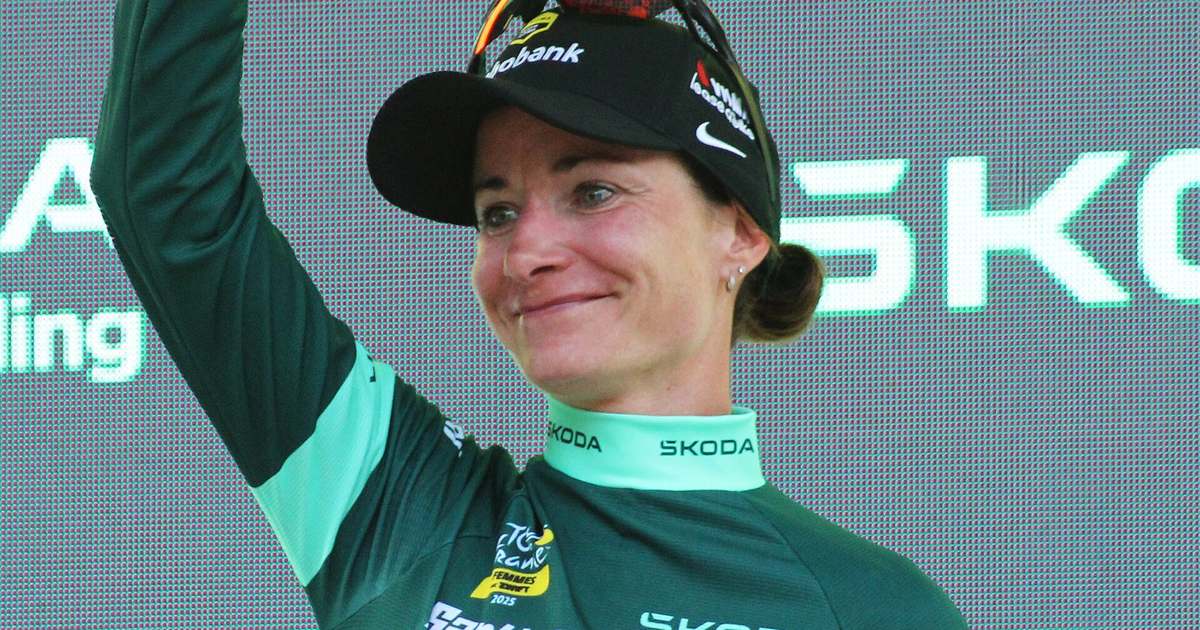 CyclingMarianne VosVos has won at the top of cycling for two decades. The most useful part of her career is the year she lost to overtraining, and what she changed afterwards.How they train →
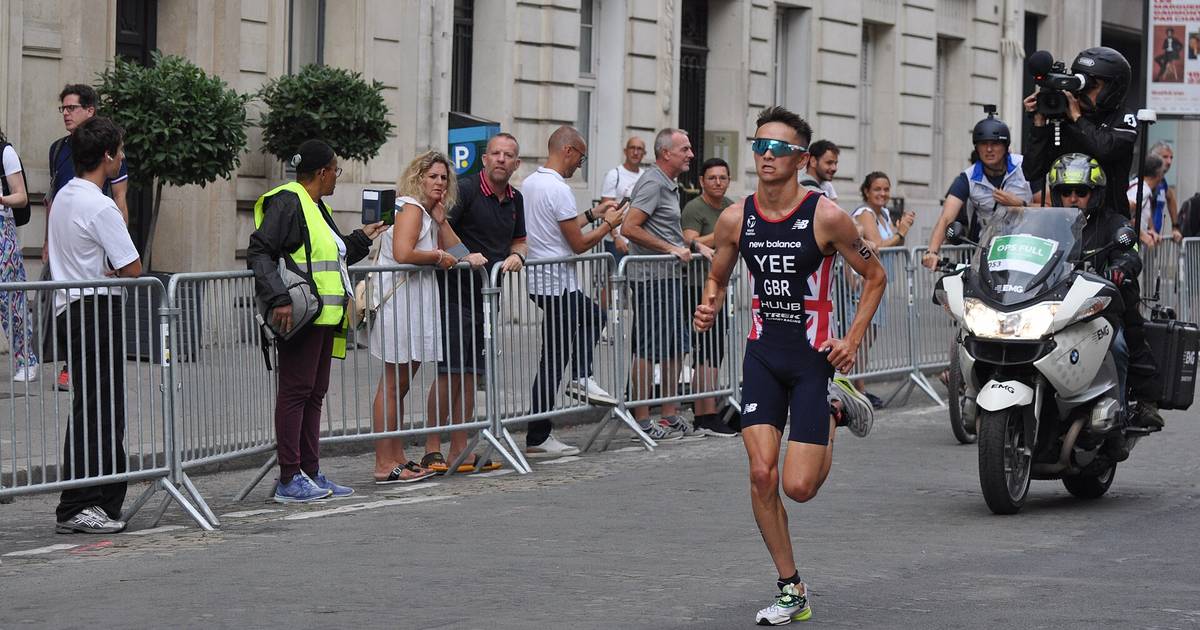 TriathlonAlex YeeAlex Yee won Olympic gold with the fastest run off the bike in the field. How he built a triathlon around that weapon, and how to pace a run on tired legs.How they train →
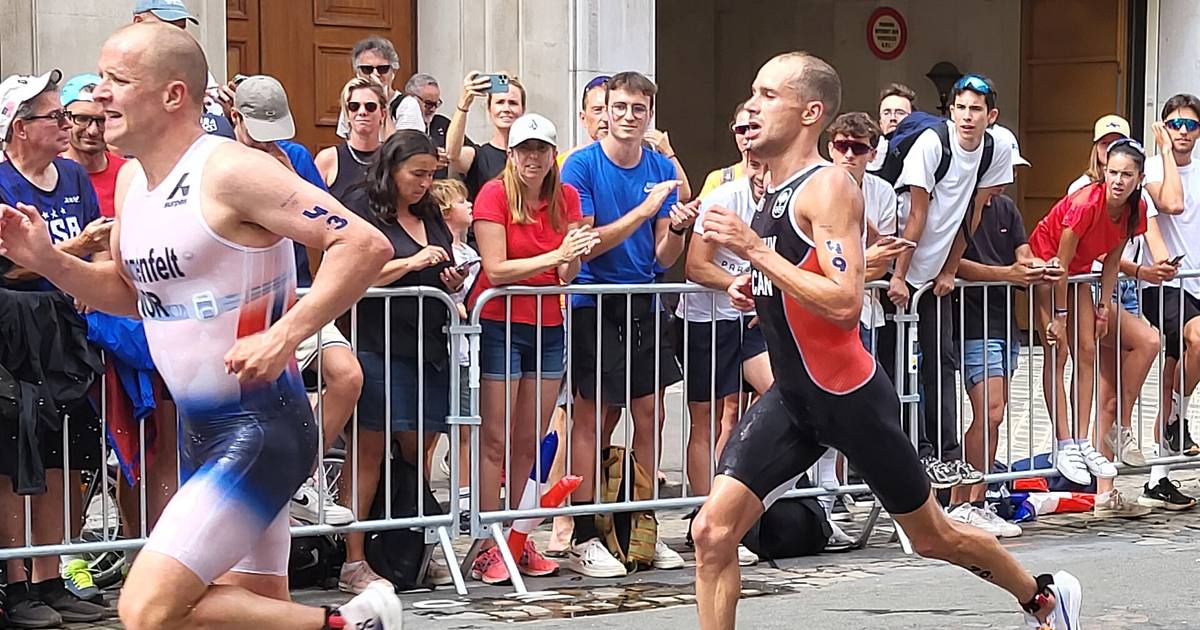 TriathlonKristian BlummenfeltKristian Blummenfelt runs the Norwegian method in three sports: lactate-guided thresholds, obsessive measurement, and a carb intake that rewrote the rules.How they train →
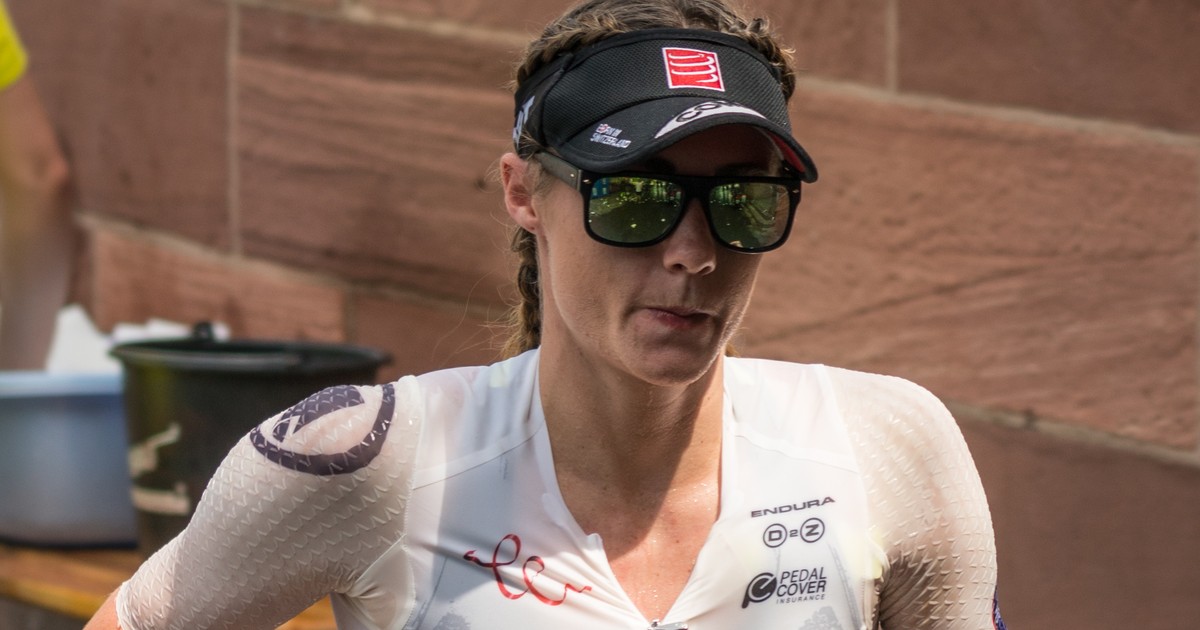 TriathlonLucy Charles-BarclayThe 2023 Ironman World Champion prepares for Kona with a six-week heat block, then lost a Kona lead to a sodium overdose. What long-course athletes get wrong about sweat and salt.How they train →
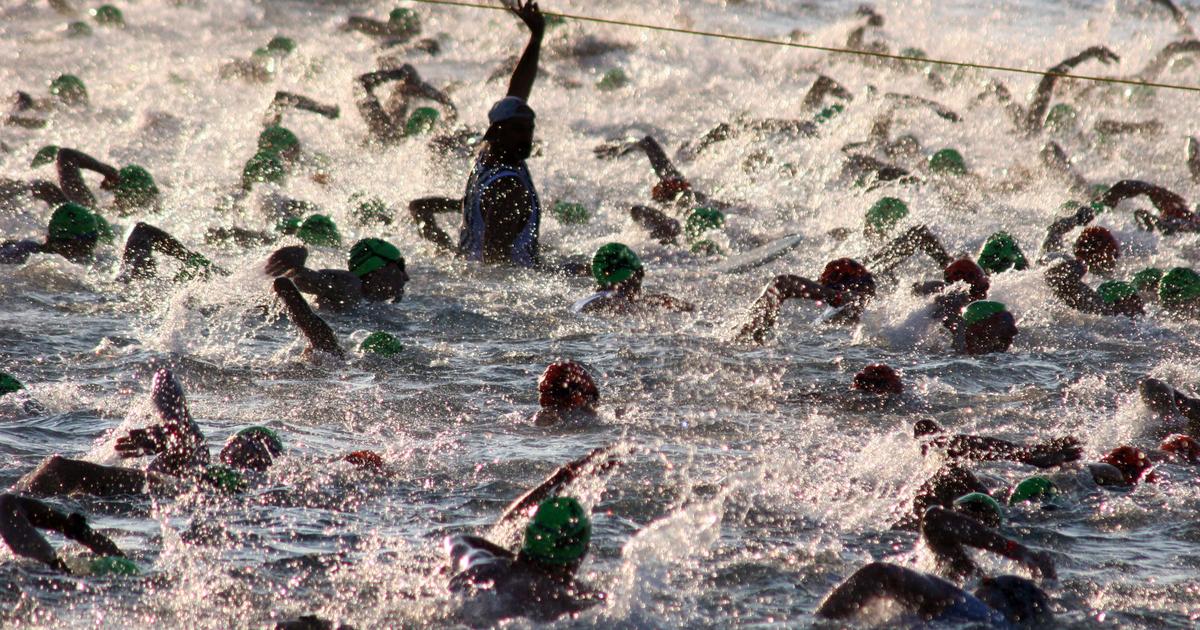 TriathlonMark AllenSix-time Ironman World Champion Mark Allen capped his heart rate with Maffetone's 180-formula and watched his pace at that heart rate transform. A formula you can run now.How they train →
 AmateursA fast age-grouperHow a fast amateur trains around a job and a family on eight hours a week: two hard sessions, everything else easy, and why the time limit helps.How they train →
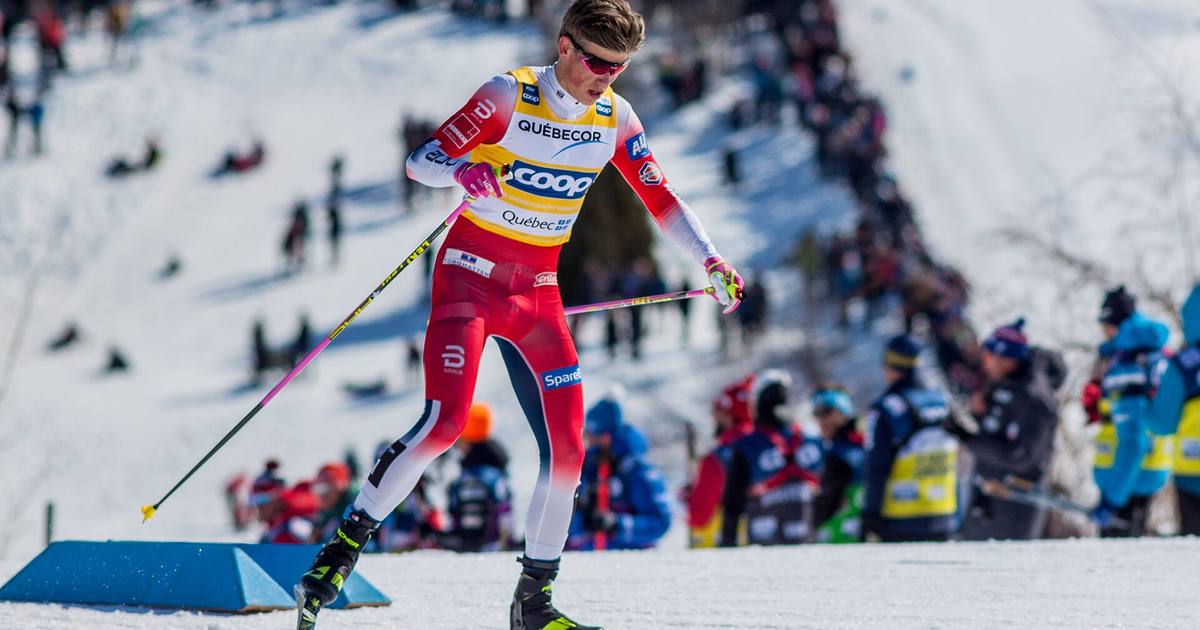 Nordic skiing and biathlonJohannes KlæboKlæbo won all six events at the 2026 Winter Olympics in the most aerobic sport there is. The Norwegian model behind it, and your own I1 to I5 zones.How they train →
 Nordic skiing and biathlonTherese JohaugJohaug unretired at 36, took three silvers and a bronze at the 2025 Worlds, then stopped for good. What came back, and what did not, is the useful part.How they train →
 Nordic skiing and biathlonJessie DigginsAmerica's most decorated cross-country skier trains twice a day, six days a week. The reason she talks about fuelling is the reason the volume is possible.How they train →
 Nordic skiing and biathlonHarald Østberg AmundsenAmundsen won the overall World Cup, then finished 4th, 6th and DNF at the 2026 Olympics. Season-long form and one-day form are different training problems.How they train →
 Nordic skiing and biathlonQuentin Fillon MailletFrance's most decorated Olympian has medalled in every biathlon format, from a 23-minute sprint to a 50-minute individual. That range is a threshold story.How they train →
 Nordic skiing and biathlonSturla Holm LægreidFive medals in five races at the 2026 Olympics, none of them gold. Biathlon is decided by how fast your heart rate falls, and that is a trainable number.How they train →
 SwimmingKatie LedeckyKatie Ledecky races a pace, not an opponent, on huge aerobic volume held to precise splits. How she trains, and why swimmers set zones by stopwatch.How they train →
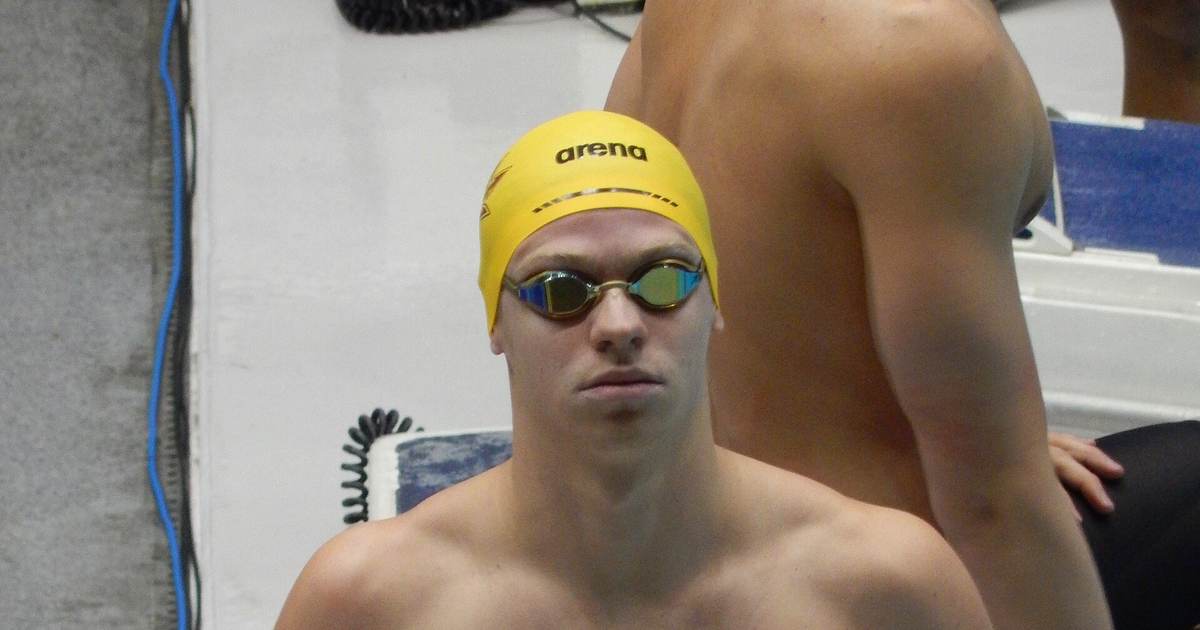 SwimmingLéon MarchandMarchand trains under Bob Bowman, the coach who made Michael Phelps, on pace and short rest rather than heart rate. Why swimmers set zones from a stopwatch.How they train →
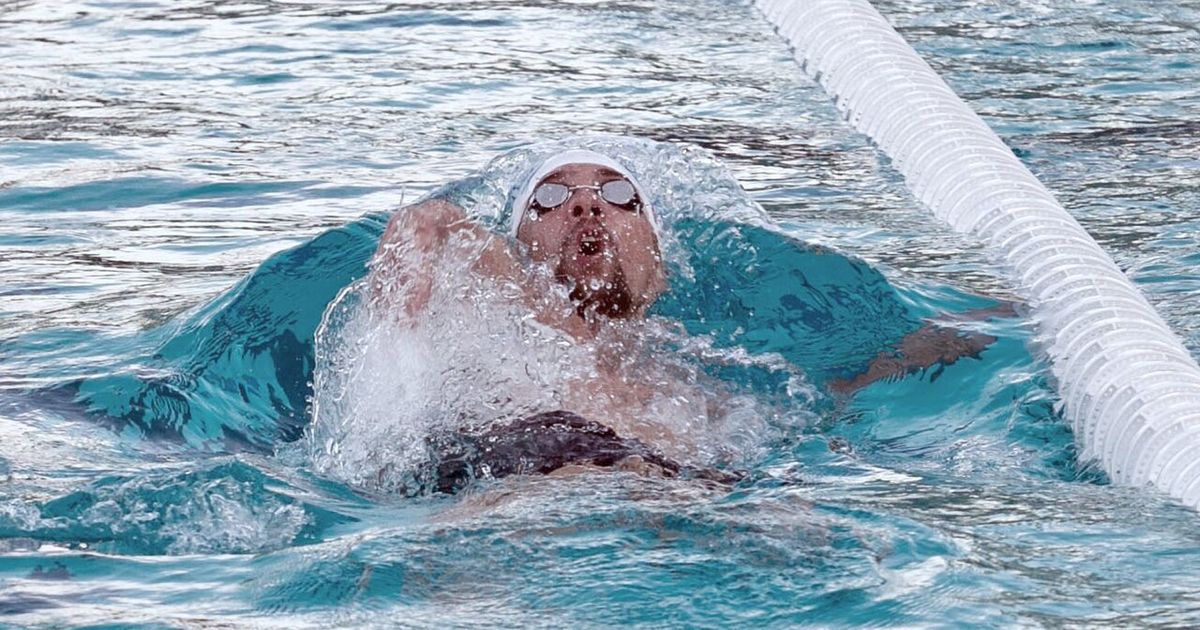 SwimmingMichael PhelpsMichael Phelps never ate 12,000 calories a day. The real number, the 80,000-meter weeks behind it, and what it says about your own calorie needs.How they train →
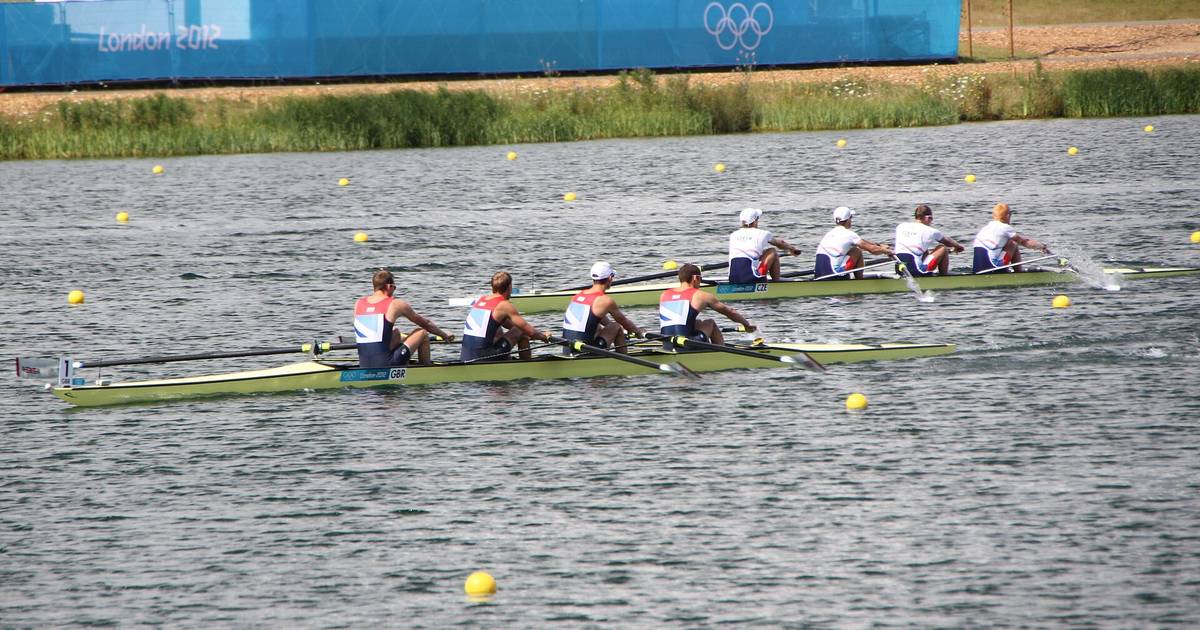 RowingElite rowersA 2k rowing race lasts six minutes, yet elite crews train 15 to 30 hours a week and spend around 80% of it easy. Why that works, and what to do on the erg.How they train →
Want the numbers behind the profiles? Every one links to the calculator it relies on, and the training plan generator turns the same principles into a week-by-week plan from your own race.