The Norwegian Method: Double Threshold Training, Explained
What the Norwegian method is, the science behind lactate-guided double-threshold training, where it falls short, and who uses it, from Ingebrigtsen on.
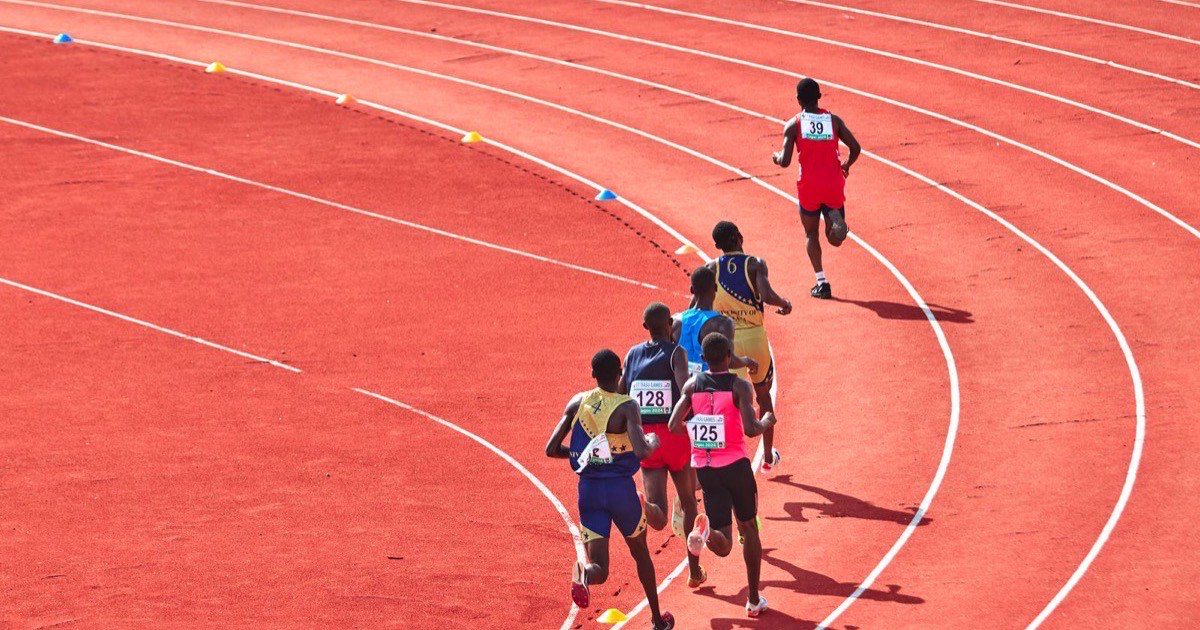
The Norwegian method is a lot of controlled threshold running, measured with a lactate meter, sometimes twice in a day. It is the system behind Jakob Ingebrigtsen's final laps.
What the Norwegian method is
Three ideas:
- A large share of training sits at or just below the lactate threshold, the effort you could hold for roughly an hour. Controlled and repeatable.
- Intensity is governed by blood lactate. Athletes prick a finger mid-session and keep the value in a tight window (often 2.5 to 3.5 mmol/L), backing off the moment they drift high.
- Volume comes from "double threshold" days: two sub-maximal threshold sessions in one day, banking a large amount of quality work without the damage of a single brutal session.
Marius Bakken, a two-time Olympic 5000 m runner, documented the modern version in the 2000s. The Ingebrigtsen brothers built on it.
The science behind it
The first lactate threshold (LT1), the aerobic threshold, is where lactate first rises above resting levels, around 2 mmol/L. The second (LT2), the anaerobic or lactate threshold proper, is the highest intensity where production and clearance still balance, classically near 4 mmol/L. Full definitions in the glossary.
The Norwegian method lives just under LT2. Training there drives more mitochondria, better capillarisation and higher lactate clearance, with most of the aerobic stimulus of VO₂max work at a fraction of the fatigue.
Double threshold splits the load: a controlled set in the morning, another in the evening. Each stays sub-maximal, lactate never spikes, and over a week the athlete banks far more time near threshold than a conventional plan allows. The meter matters because 0.2 m/s too fast turns a sustainable session into a damaging one.
Stephen Seiler's polarized model is mostly easy, a little very hard, and little in the middle. The Norwegian method is threshold-heavy or pyramidal: a big easy base, a substantial block of controlled threshold, a sprinkle of racing-speed work. Both agree most training should be easy and the hard parts precisely dosed.
A typical Ingebrigtsen-style double-threshold day: 5 x 6 minutes at controlled threshold in the morning, 10 to 12 x 1000 m at threshold in the evening, bracketed by easy mileage that pushes the week past 150 km.
Who is doing it
- Jakob Ingebrigtsen, Olympic 1500 m champion and multiple world champion, with brothers Henrik and Filip.
- Marius Bakken, the system's architect, still coaches and documents the model.
- Kristian Blummenfelt (Olympic triathlon champion) and Gustav Iden (Ironman world champion), guided by Olav Aleksander Bu, run a more data-heavy, lactate-driven version in triathlon.
- Narve Gilje Nordås, a world-championship medallist over 1500 m, trains in the same tradition.
What it does well
- High quality without high risk. Capping intensity by lactate means hard, frequent training with less overreaching and injury than VO₂max-heavy plans.
- Precision. You are not "running hard," you are holding 3.0 mmol/L.
- Aerobic development at scale. Time near threshold is a well-evidenced driver of endurance fitness.
- A proven ceiling. Olympic gold from 1500 m to the Ironman.
Where it falls short
- It needs a lactate meter and the skill to use it. Strips cost money, and readings only mean something once you have calibrated your own thresholds.
- Thresholds are individual. "4 mmol/L" is an average. Get the target intensity wrong and the system misfires.
- The volume is enormous. Two threshold sessions a day on top of easy mileage assumes a professional's time, recovery and support.
- The evidence is partly anecdotal. Much rests on elite case studies. Head-to-head studies have not shown threshold work clearly superior to polarized training.
Can a normal runner use it?
Yes, in spirit: quality work at a controlled threshold effort, everything else easy. Two substitutes for the finger prick:
- Heart rate. Anchor zones to your lactate-threshold heart rate and keep threshold reps in that band. The LTHR zones calculator sets them up.
- Pace. Use a recent race to find threshold and interval paces with the VDOT calculator, then hold threshold pace instead of racing your intervals.
The most common amateur mistake is running threshold sessions too hard, which is what this method is built to prevent. Run hard days a touch easier and more often.
Laktattærskel-puls
165bpm
cykel-LTHR
| Zone | Interval | Hvad det træner |
|---|---|---|
| Z1 | Aktiv restitution ≤ 132 bpm | Restitutionsruller; renser benene. RPE 1–2, meget let. |
| Z2 | Udholdenhed 133–147 bpm | Aerob base og fedtstofskifte. RPE 3–4, tempo til hele dagen. |
| Z3 | Tempo 148–153 bpm | Aerob udholdenhed, 'sweet' jævnt arbejde. RPE 5–6, behageligt hårdt. |
| Z4 | Tærskel 154–163 bpm | Laktattærskel; holdbart hårdt. RPE 7–8, grænse 20–60 min. |
| Z5a | VO₂max 164–168 bpm | Maksimal aerob effekt. RPE 9, 3–8 min forsøg. |
| Z5b | Anaerob kapacitet 169–175 bpm | Anaerob kapacitet, kort og skarpt. RPE 9–10, 30 s–3 min. |
| Z5c | Neuromuskulær ≥ 176 bpm | Sprintkraft og neuromuskulært drev. RPE 10, alt-ud. |
Z1 · Aktiv restitution. Restitutionsruller; renser benene. RPE 1–2, meget let.
Z2 · Udholdenhed. Aerob base og fedtstofskifte. RPE 3–4, tempo til hele dagen.
Z3 · Tempo. Aerob udholdenhed, 'sweet' jævnt arbejde. RPE 5–6, behageligt hårdt.
Z4 · Tærskel. Laktattærskel; holdbart hårdt. RPE 7–8, grænse 20–60 min.
Z5a · VO₂max. Maksimal aerob effekt. RPE 9, 3–8 min forsøg.
Z5b · Anaerob kapacitet. Anaerob kapacitet, kort og skarpt. RPE 9–10, 30 s–3 min.
Z5c · Neuromuskulær. Sprintkraft og neuromuskulært drev. RPE 10, alt-ud.
- LTHR-baserede zoner er mere individuelle end %HRmax, fordi de forankres til din faktiske tærskel, ikke et aldersestimat. Cykel- og løbe-LTHR er forskellige, så test hver sportsgren for sig.
- Feltprøve: varm op, og kør eller løb derefter en hård 30-minutters solo-enkeltstart. Din LTHR er den gennemsnitlige puls i de sidste 20 minutter (Friels protokol).
En PDF med dine personlige resultater, plus en QR-kode til at åbne dem igen når som helst.
Compare it with other systems in training philosophies. For the method as one athlete lives it, including the injury it did not prevent, read how Jakob Ingebrigtsen trains. For the triathlon version, read how Kristian Blummenfelt trains.