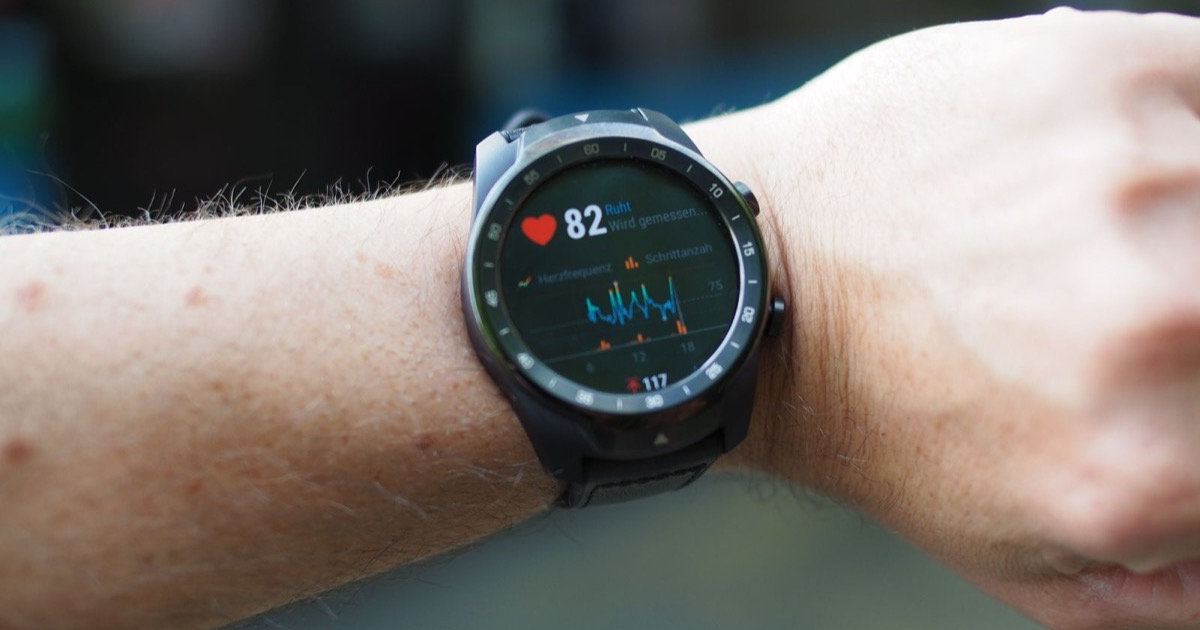
What Heart Rate Zone Should You Train In?
Which heart-rate zone to train in and when: most time easy in Zone 2, a controlled dose at threshold, a little in Zone 5. Plus how to find your zones.

Train mostly in Zone 1 to Zone 2. Spend most of your time there, add a controlled dose of threshold work (Zone 3 to Zone 4), and keep hard Zone 5 work small. Roughly 80 percent of sessions easy, 20 percent hard. That distribution, not any single zone, is what makes you faster over months.
What are the 5 heart-rate zones?
Each zone is a band of your maximum or threshold heart rate, and each trains a different system.
- Zone 1, recovery (50 to 60 percent of max HR): Very light. Blood flow without fatigue.
- Zone 2, aerobic base (60 to 70 percent): Conversational. Builds capillaries, mitochondria and fat oxidation. Most of your hours go here. Peak fat oxidation itself sits a little above this band, see the fat burning zone calculator.
- Zone 3, tempo (70 to 80 percent): Moderately hard. Useful, but the "gray zone" if you drift into it on easy days.
- Zone 4, threshold (80 to 90 percent): About the effort you can hold for an hour. Trains lactate clearance and sustained pace.
- Zone 5, VO2max (90 to 100 percent): Maximal intervals. Short and used sparingly.
Not every system uses these five bands. Compare them on the heart-rate zone models page.
Why should most of your training be easy?
Easy Zone 2 work builds the aerobic base every other effort draws on, and it does so with low fatigue, so you can stack a lot of it week after week. Below the aerobic threshold you recover quickly. Push everything into the middle and you arrive at every workout slightly tired: never fresh enough for real quality, never easy enough to recover.
What is 80/20 or polarized training?
Polarized training is the pattern found in elite endurance athletes: most training time well below threshold, a meaningful slice well above it, and little in between. The shorthand is 80/20. The exact ratio matters less than the shape. The full breakdown is on the polarized training page.
How do you find your heart-rate zones?
Three methods, from roughest to most personal.
From maximum heart rate. Percentages of your max HR. Formula estimates carry real error, so a tested figure is far better. See max heart rate.
From lactate-threshold heart rate (LTHR). Your lactate threshold is the intensity above which lactate accumulates faster than you clear it. Zones anchored to a tested LTHR place your threshold and tempo bands far more accurately. See LTHR zones.
Karvonen, the heart-rate-reserve method. Uses max HR minus resting HR, so the zones adapt to your fitness. See the Karvonen method.
Detak jantung maksimal
185bpm
| Zona | Rentang | Apa yang dilatih |
|---|---|---|
| Z1 | Pemulihan 93–111 bpm | Pemulihan aktif dan pemanasan; melancarkan aliran darah tanpa menambah kelelahan. Sangat ringan, RPE 1–2. Bisa mengobrol penuh, napas hampir tidak terengah. |
| Z2 | Daya Tahan 111–130 bpm | Basis aerobik, oksidasi lemak dan kepadatan kapiler, zona andalan sehari-hari. Nyaman, RPE 3–4. Bisa mengucapkan kalimat utuh. |
| Z3 | Tempo 130–148 bpm | Kapasitas aerobik dan daya tahan otot; kerja stabil yang 'cukup berat'. Berusaha, RPE 5–6. Hanya kalimat pendek. |
| Z4 | Ambang 148–167 bpm | Ambang laktat, batas atas kecepatan lomba yang bisa kamu pertahankan. Berat, RPE 7–8. Beberapa kata sekaligus saja. |
| Z5 | VO₂max 167–185 bpm | Daya aerobik maksimal dan VO₂max lewat interval pendek yang berat. Sangat berat hingga maksimal, RPE 9–10. Tidak bisa bicara. |
Z1 · Pemulihan. Pemulihan aktif dan pemanasan; melancarkan aliran darah tanpa menambah kelelahan. Sangat ringan, RPE 1–2. Bisa mengobrol penuh, napas hampir tidak terengah.
Z2 · Daya Tahan. Basis aerobik, oksidasi lemak dan kepadatan kapiler, zona andalan sehari-hari. Nyaman, RPE 3–4. Bisa mengucapkan kalimat utuh.
Z3 · Tempo. Kapasitas aerobik dan daya tahan otot; kerja stabil yang 'cukup berat'. Berusaha, RPE 5–6. Hanya kalimat pendek.
Z4 · Ambang. Ambang laktat, batas atas kecepatan lomba yang bisa kamu pertahankan. Berat, RPE 7–8. Beberapa kata sekaligus saja.
Z5 · VO₂max. Daya aerobik maksimal dan VO₂max lewat interval pendek yang berat. Sangat berat hingga maksimal, RPE 9–10. Tidak bisa bicara.
- Zona adalah persentase sederhana dari detak jantung maksimal (Z1 50–60% hingga Z5 90–100%). Mudah diatur tetapi mengasumsikan HRmax-mu akurat.
- Detak jantung tertinggal dari usaha selama 1–3 menit dan naik perlahan saat panas atau dehidrasi ('cardiac drift'), jadi tangani usaha pendek dan berat berdasarkan perasaan.
PDF berisi hasil personalmu, plus kode QR untuk membukanya kembali kapan saja.
Which zone should I train in for my goal?
- Building a base or recovering: Zone 1 to Zone 2. The bulk of your week. If you are new to structured training, almost all of it for the first several weeks.
- Quality days: Zone 4 threshold intervals or Zone 5 VO2max repeats. One to two sessions a week is plenty.
- Race-specific or tempo work: Zone 3 has a place for events held at that intensity. Use it on purpose, never by drifting into it on easy days.
Keep easy days easy so hard days can be hard.
How accurate are heart-rate zones?
- Formulas are population averages. Your max HR can sit well above or below the formula. Testing beats estimating.
- Heart rate lags. On short intervals the monitor may only read Zone 5 when the rep is half over. Use perceived effort, power or pace for very short work.
- Daily noise is real. Heat, dehydration, caffeine, stress, sleep and cardiac drift all shift heart rate at the same effort. Treat zones as a guide, especially on easy days where the job is to stay easy.
Sources
- Stephen Seiler, training-intensity distribution research (polarized, roughly 80/20)
- Martti Karvonen and colleagues, the heart-rate-reserve method
- Joe Friel, the lactate-threshold heart-rate (LTHR) zone framework