How Marianne Vos Trains (and What Overtraining Cost Her)
Vos has won at the top of cycling for two decades. The most useful part of her career is the year she lost to overtraining, and what she changed afterwards.

Marianne Vos turned 39 in May and is still winning bike races, two decades after she started. Her contract with Team Visma Lease a Bike runs until she decides to stop. The most instructive part of that longevity is not a workout. It is the year she lost.
The year that went wrong
In 2015, at the height of her career, Vos stopped being able to train. The clinical label was non-functional overreaching, the state between normal training fatigue and full overtraining syndrome: performance has fallen and does not come back after a few easy days or weeks.
It was not purely a training-load story. A hamstring injury in late 2014 had disrupted her preparation, a broken rib followed during the spring 2015 comeback, and the systemic exhaustion sat underneath both. Recovery took the better part of a year. Her team rebuilt slowly and refused to rush her back onto a start line.
The language matters. "Overtrained" gets used for "I'm tired this week." The real thing costs months, and the boundary is not obvious from the inside. Vos has described learning to tell the good pain of training from the bad pain that signals something is wrong.
It usually isn't the training on its own. The load that breaks people is training plus work, travel, obligation and poor sleep. Only one of those appears in your training log.
The cheapest early-warning signal you have
No single number reliably detects this coming. The cheapest useful trend line is morning resting heart rate, measured the same way each day before you get up. A single high reading means nothing. A sustained drift from normal, alongside worse sleep and flat legs, is a pattern worth respecting.
Resting heart rate is also an input to the most personalised heart-rate zone method, so setting zones properly makes you measure it:
심박수 예비량
135bpm
185 − 50
최대 심박수
185bpm
안정 시 심박수
50bpm
| 존 | 범위 | 무엇을 단련하는가 |
|---|---|---|
| Z1 | 회복 118–131 bpm | 능동적 회복과 워밍업; 피로를 더하지 않으면서 혈류를 촉진합니다. 매우 쉬움, RPE 1–2. 자유로운 대화가 가능하고 숨이 거의 차지 않습니다. |
| Z2 | 지구력 131–145 bpm | 유산소 기초, 지방 산화, 모세혈관 밀도를 키우는 가장 기본이 되는 존입니다. 편안함, RPE 3–4. 완전한 문장으로 말할 수 있습니다. |
| Z3 | 템포 145–158 bpm | 유산소 능력과 근지구력; '적당히 힘든' 꾸준한 운동입니다. 힘이 들어감, RPE 5–6. 짧은 문장만 가능합니다. |
| Z4 | 역치 158–172 bpm | 젖산 역치, 즉 지속 가능한 레이스 페이스의 상한선입니다. 힘듦, RPE 7–8. 한 번에 몇 마디 정도만 가능합니다. |
| Z5 | VO₂max 172–185 bpm | 짧고 강한 인터벌을 통한 최대 유산소 파워와 VO₂max입니다. 매우 힘듦에서 최대까지, RPE 9–10. 말을 할 수 없습니다. |
Z1 · 회복. 능동적 회복과 워밍업; 피로를 더하지 않으면서 혈류를 촉진합니다. 매우 쉬움, RPE 1–2. 자유로운 대화가 가능하고 숨이 거의 차지 않습니다.
Z2 · 지구력. 유산소 기초, 지방 산화, 모세혈관 밀도를 키우는 가장 기본이 되는 존입니다. 편안함, RPE 3–4. 완전한 문장으로 말할 수 있습니다.
Z3 · 템포. 유산소 능력과 근지구력; '적당히 힘든' 꾸준한 운동입니다. 힘이 들어감, RPE 5–6. 짧은 문장만 가능합니다.
Z4 · 역치. 젖산 역치, 즉 지속 가능한 레이스 페이스의 상한선입니다. 힘듦, RPE 7–8. 한 번에 몇 마디 정도만 가능합니다.
Z5 · VO₂max. 짧고 강한 인터벌을 통한 최대 유산소 파워와 VO₂max입니다. 매우 힘듦에서 최대까지, RPE 9–10. 말을 할 수 없습니다.
- Karvonen 방식은 존을 심박수 예비량(HRmax − 안정 시 심박수)에 기준을 두므로, 단순 %HRmax보다 당신의 체력에 맞게 존을 개인화합니다. 안정 시 심박수가 낮은 잘 단련된 선수일수록 그만큼 낮은 목표값을 받습니다.
- 안정 시 심박수는 아침에 일어나자마자 누운 상태에서 카페인을 섭취하기 전에 측정하세요. RHR에 5 bpm 오차가 생기면 모든 존이 어긋납니다.
당신의 개인 맞춤 결과가 담긴 PDF와, 언제든 다시 열 수 있는 QR 코드.
The Karvonen method uses heart rate reserve, the gap between resting and maximum, which is why two riders with the same HRmax but different fitness get different zones. Compare it with the plain percentage-of-HRmax zones.
One caveat: resting heart rate is a trend signal, not a diagnosis. In some overreached athletes it climbs, in others it barely moves or drops. Use it alongside sleep, mood, appetite and performance.
Base miles, and not much else
Vos describes her training in plain terms:
Most of the training I do is about those base level miles… hours and hours on the bike, especially in the winter but also during the road season.
Her advice to amateurs who love cyclocross: keep the sharp, cross-specific work to once or twice a week and let the rest be aerobic volume. Kipchoge and Pogačar reach the same conclusion from opposite ends of endurance sport. Our Zone 2 guide is the practical version.
On strength work she emphasises core stability over heavy lifting, saying core work is the thing she feels helps, and keeps gym load modest because bulk does not suit an all-rounder.
Racing cyclocross as training, on purpose
Winter cyclocross is chosen to serve the road year. Her team's cyclocross coach frames the road build as the priority, and Vos picks a cross calendar that fits around it:
The cyclocross races on my calendar combine well with my road training.
She is explicit that the calendar has to leave proper recovery between races. Pick your B-events because they support the A-goal, not because they were on the calendar.
2026
Her father, Henk Vos, died in late March. She missed a run of spring races before returning to finish second at Paris-Roubaix Femmes days later, then crashed out of the Vuelta España Femenina on stage one in May with a fractured collarbone. In June she won the final stage of the Volta a Catalunya Femenina, her first win of the year and, by her team's count, the 259th of her career.
The Tour de France Femmes starts on 1 August. She has named it as a season goal, though I have not seen a confirmed start list.
What you can steal from it
- Respect the difference between tired and overreached. Fatigue that doesn't clear after an easy week needs more rest than you want to take.
- Count the load your log doesn't see. Work, travel, sleep debt and stress spend the same recovery budget as intervals.
- Track resting heart rate as a trend. Set your zones with Karvonen so you measure it anyway.
- Most of it should be base. One or two hard sessions a week, volume around them.
- Schedule recovery between events.
- Play the long game. Two decades of racing beats two brilliant seasons and a burnout.
More in this series: Demi Vollering, Jonas Vingegaard, Tadej Pogačar, Kilian Jornet, Jakob Ingebrigtsen and Eliud Kipchoge.
Sources
- Total Women's Cycling
- Cycling Weekly
- Liv Cycling
- Active
- Team Visma Lease a Bike
- Volta a Catalunya stage win
- Cyclingnews
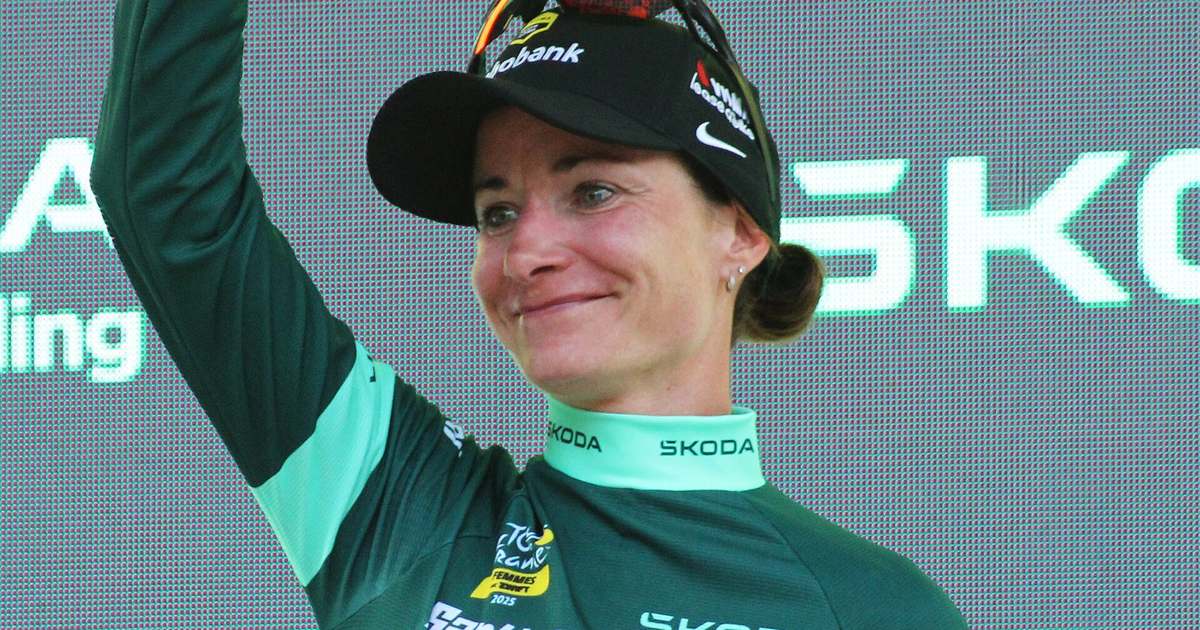
Cover photo by MFonzatti, CC BY-SA 4.0, via Wikimedia Commons.
