How Michael Phelps Fueled 80,000 Meters a Week (and the 12,000-Calorie Myth)
Michael Phelps never ate 12,000 calories a day. The real number, the 80,000-meter weeks behind it, and what it says about your own calorie needs.

Michael Phelps, 23 Olympic golds and 28 medals in total, is attached to the most famous nutrition stat in sport: 12,000 calories a day. Phelps has said, repeatedly, that it was never true. The real story is a lesson in how calorie needs work, and why copying a professional's headline intake is one of the easiest mistakes an amateur can make.
The 12,000-calorie myth
The number dates from the run-up to the 2008 Beijing Olympics. Phelps described a day's eating to a reporter, the reporter did the arithmetic and arrived at 12,000 calories, and major outlets repeated it. In his autobiography Phelps wrote, "It's just not true. Maybe eight to ten thousand calories per day." Elsewhere: "I never ate that much. It's all a myth." Even the original 2008 profiles quoted his own figure as eight to ten thousand.
Eight to ten thousand calories a day is still three to four times what a typical adult needs. The myth exaggerated a number that was already staggering.
Why any number that big made sense
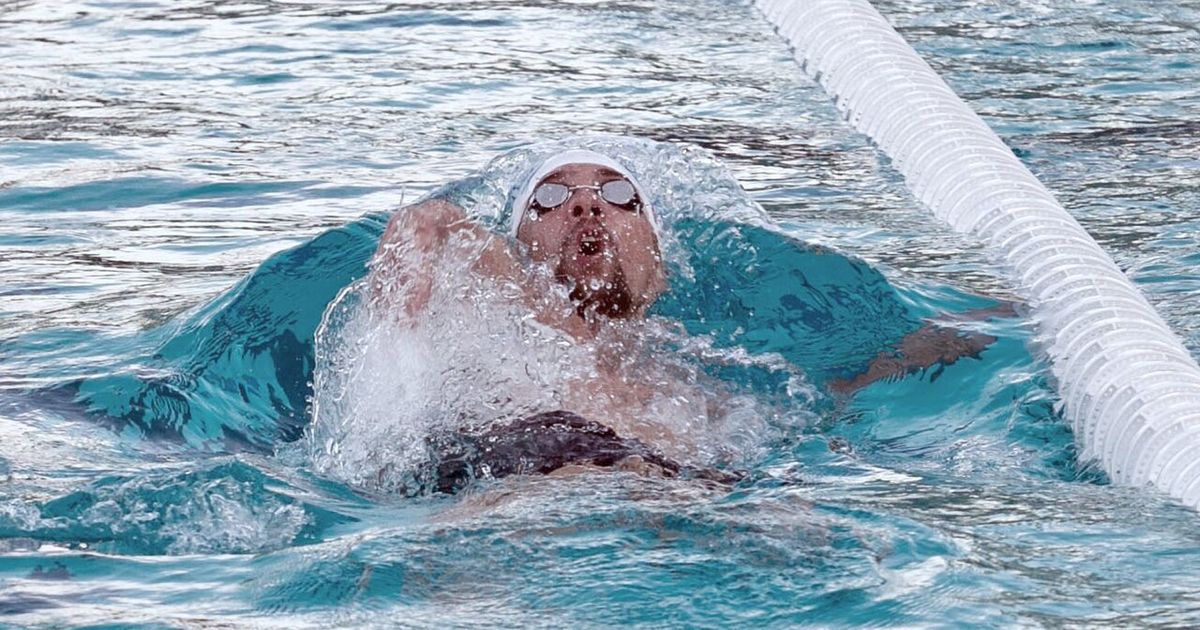
At his peak Phelps reportedly swam around 80,000 meters a week, close to 50 miles, in two sessions a day, five to six hours in the water, six or seven days a week. His coach Bob Bowman has said that for roughly five years before the 2004 Olympics, Phelps did not take a single day off: Sundays, Christmas, his own birthday. Swimming is a full-body effort against the drag of water. Hours of it a day, year-round, burns energy at a rate almost no other lifestyle matches.
His intake was the output of his training load. That is why it tells you almost nothing about what you should eat.
Your calorie needs scale with your training
The concept under Phelps's plate is Total Daily Energy Expenditure: resting metabolism plus everything you do, training included. His was extreme because his training was extreme. Estimate what your body uses:
Dagligt kaloriebehov (TDEE)
2517kcal/day
Det, der holder din vægt stabil
Hvileforbrænding (BMR)
1624kcal/day
Energi i fuldstændig hvile
Mål efter formål, baseret på din TDEE
| VedligeholdAnbefaletSpis på din TDEE | 2.517 kcal |
| Tab dig (cirka 20 % underskud)Bæredygtigt tempo, der beskytter træningen | 2.013 kcal |
| Tag på / byg op (cirka 15 % overskud)Giv energi til tilpasning uden unødig fedtøgning | 2.894 kcal |
- Det er et estimat, ikke en måling. Formlerne rammer typisk et par hundrede kalorier ved siden af, så juster efter, hvordan din vægt udvikler sig over to til tre uger.
- Samlede kalorier er kun halvdelen af billedet. For atleter betyder proteinindtag og timing af kulhydrat omkring hårde træninger lige så meget som det daglige tal.
- Aktivitetsfaktoren er den største kilde til usikkerhed. Hvis din vægt ikke bevæger sig som forudsagt, så tjek igen, hvilket niveau der ærligt passer til din uge.
En PDF med dine personlige resultater, plus en QR-kode til at åbne dem igen når som helst.
Enter your body stats, activity level and training and you get a realistic daily energy figure. For almost everyone it lands at a fraction of an Olympian's, because almost everyone trains at a fraction of the volume. An hour of endurance exercise for a typical age-grouper burns hundreds of calories, and the hunger after a hard session routinely talks people into replacing far more than they spent. Fuel the training you did. The fast age-grouper post is built on the same reality check.
The most decorated Olympian, then a normal plate
Phelps retired after the 2016 Rio Olympics. The training load ended, and so did the intake. The plate was never about him. It was about the work.
What you can steal from it
- Ignore the headline number. Phelps never ate 12,000 calories, and his real figure only applied to 50 miles of swimming a week.
- Estimate your real needs. Anchor your eating to a daily calorie figure from your body and training.
- Respect how big pro training loads are. The intake made sense only because of ~80,000 meters a week.
- Watch the post-session overshoot. Replace what you spent, not what you crave.
- Fuel the training you did. Your needs rise and fall with your load. Let them.
More in this series: Léon Marchand, coached by Phelps's own coach Bob Bowman, Katie Ledecky and the fast age-grouper on eight hours a week.
Sources
Cover photo by JD Lasica, CC BY 2.0, via Wikimedia Commons.
.jpg)