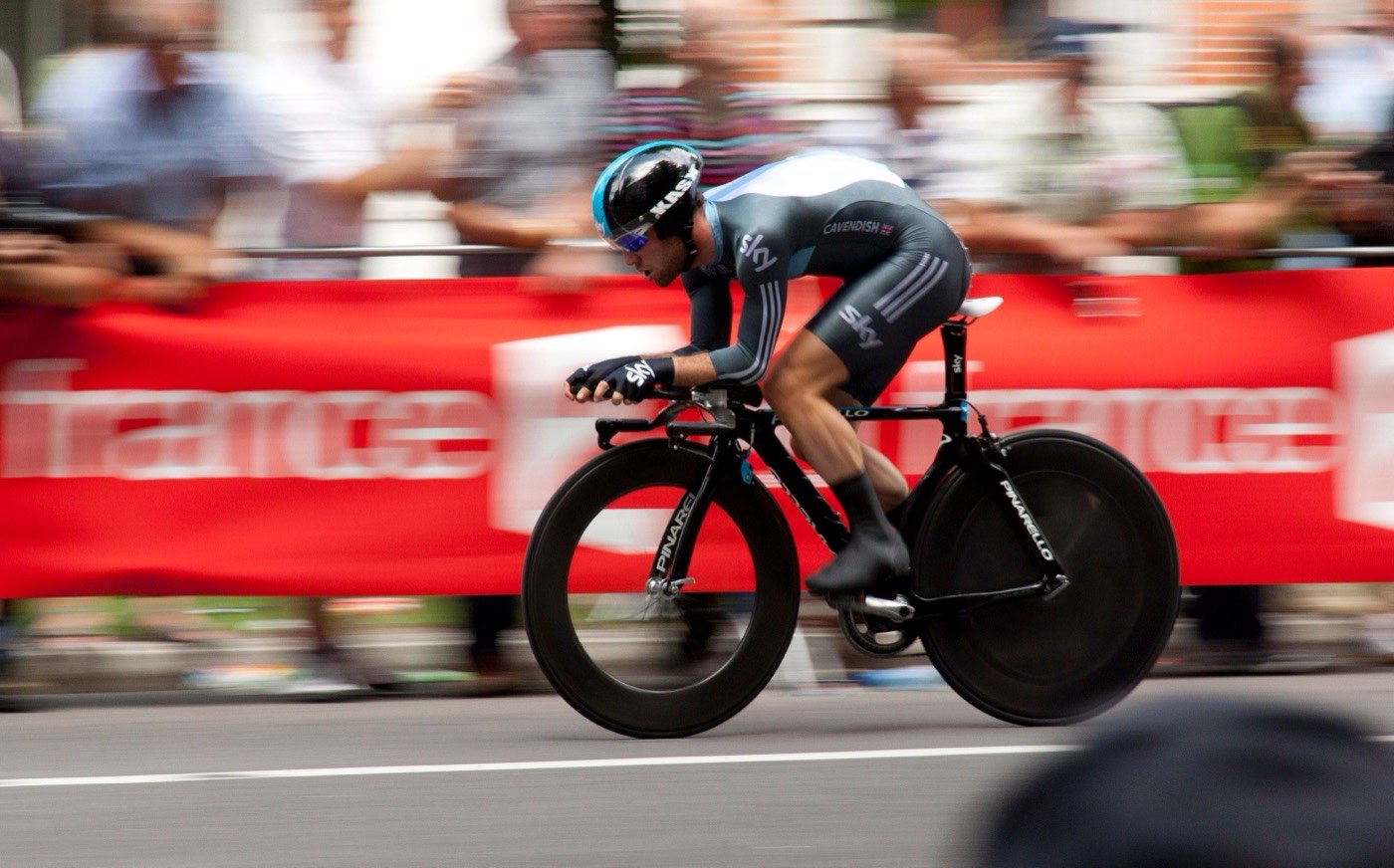
The 30/15 Interval: The Cult Session That Actually Delivers
Rønnestad's 30/15 intervals: 3 sets of 13 x 30 seconds on, 15 off. What the studies found, how to run one, and why the last set hits max heart rate.

The 30/15 interval has a fan club. Mention "Rønnestad intervals" on any group ride and someone lights up. The session is 30 seconds hard, 15 seconds easy, in three sets of 13, and the science mostly backs the hype.
What a 30/15 is
30 seconds hard, 15 seconds easy, repeated. The classic Rønnestad structure is three sets of 13 reps with about 3 minutes easy between sets. Each set is just under 10 minutes, so the main block is about half an hour of work.
The "hard" part is not a sprint. Aim for the best average power you can hold across a whole set, which for most cyclists lands a bit above FTP. The 15-second floats are easy but not stops. Those tiny recoveries let you keep producing big numbers far longer than one continuous effort would.
The science
The format comes from Bent Rønnestad, a Norwegian sport scientist who has spent years comparing interval formats head to head.
In a 2015 study in the Scandinavian Journal of Medicine and Science in Sports, trained cyclists did either 3 x 13 x 30/15 or effort-matched long intervals (4 x 5 minutes) for ten weeks. The short-interval group gained roughly 8 to 9 percent in VO2 max, about double the long-interval group, plus bigger gains in peak power and power at lactate threshold.
A 2020 follow-up with elite cyclists repeated the result: the short-interval group improved peak aerobic power while the effort-matched long-interval group flatlined.
Why the on-off rhythm works
VO2 max training is about time spent at or above roughly 90 percent of VO2 max. Go too hard and you blow up in two minutes. Go steady and oxygen uptake never climbs high enough.
In a 30/15, VO2 stays elevated through the 15-second floats, but the muscles reoxygenate just enough to attack the next rep. You accumulate far more time near VO2 max than in one long effort at the same average power.
Find your zones first to see where these efforts sit on your monitor:
Maksimisyke
185bpm
| Alue | Vaihteluväli | Mitä se kehittää |
|---|---|---|
| Z1 | Palautuminen 93–111 bpm | Aktiivinen palautuminen ja lämmittely; edistää verenkiertoa lisäämättä väsymystä. Hyvin kevyt, RPE 1–2. Puhuminen sujuu täysin, hengitys tuskin kiihtyy. |
| Z2 | Peruskestävyys 111–130 bpm | Aerobinen perusta, rasvanpoltto ja hiussuonitiheys – arjen leipälaji. Mukava, RPE 3–4. Pystyt puhumaan kokonaisia lauseita. |
| Z3 | Vauhtikestävyys 130–148 bpm | Aerobinen kapasiteetti ja lihaskestävyys; kohtalaisen kova tasainen työ. Töitä tehdään, RPE 5–6. Vain lyhyitä lauseita. |
| Z4 | Kynnys 148–167 bpm | Laktaattikynnys, ylläpidettävän kilpailuvauhtisi katto. Kova, RPE 7–8. Muutama sana kerrallaan. |
| Z5 | VO₂max 167–185 bpm | Maksimaalinen aerobinen teho ja VO₂max lyhyillä, kovilla intervalleilla. Hyvin kova tai maksimaalinen, RPE 9–10. Ei puhetta. |
Z1 · Palautuminen. Aktiivinen palautuminen ja lämmittely; edistää verenkiertoa lisäämättä väsymystä. Hyvin kevyt, RPE 1–2. Puhuminen sujuu täysin, hengitys tuskin kiihtyy.
Z2 · Peruskestävyys. Aerobinen perusta, rasvanpoltto ja hiussuonitiheys – arjen leipälaji. Mukava, RPE 3–4. Pystyt puhumaan kokonaisia lauseita.
Z3 · Vauhtikestävyys. Aerobinen kapasiteetti ja lihaskestävyys; kohtalaisen kova tasainen työ. Töitä tehdään, RPE 5–6. Vain lyhyitä lauseita.
Z4 · Kynnys. Laktaattikynnys, ylläpidettävän kilpailuvauhtisi katto. Kova, RPE 7–8. Muutama sana kerrallaan.
Z5 · VO₂max. Maksimaalinen aerobinen teho ja VO₂max lyhyillä, kovilla intervalleilla. Hyvin kova tai maksimaalinen, RPE 9–10. Ei puhetta.
- Alueet ovat yksinkertaisia prosenttiosuuksia maksimisykkeestä (Z1 50–60 % aina Z5:n 90–100 %:iin asti). Ne on helppo asettaa, mutta ne olettavat HRmaxisi olevan tarkka.
- Syke laahaa rasitusta 1–3 minuuttia jäljessä ja nousee kuumuudessa tai nestehukassa ('sykkeen ryömintä'), joten arvioi lyhyet, kovat vedot tuntemuksen mukaan.
PDF tuloksillasi, plus QR-koodi niiden avaamiseen uudelleen milloin tahansa.
How to run one
- Anchor intensity to power or pace, not heart rate. Set the "on" target as a percentage of FTP or your VDOT pace. Heart rate is too laggy to steer 30-second efforts.
- Start conservatively. If the last reps of set one feel comfortable, you got it right. If they feel heroic, you are about to have a bad day.
- Treat it as a hard day. This is a key session in a polarized plan. Earn it with easy days around it.
- Three sets is plenty. If you can do five, you did not go hard enough on the first three.
The last set, where heart rate goes to die
Heart rate drifts upward across a hard session and the 15-second floats never let it settle. By the final set the number on your wrist is somewhere in the stratosphere.
Done correctly, you finish the last set around threshold heart rate, cooked but in control. Pick a target 20 watts too ambitious and the closing reps turn into an involuntary maximum heart rate test. More than one rider has found a new personal best heart rate in the back third of a 30/15. The max heart rate calculator is the gentler way to find that ceiling.
Caveats
The 30/15 is an excellent VO2 max session, not a cheat code. Coaches including Empirical Cycling have pushed back on the hype, with a point: you still need a deep aerobic base under it, the original studies were short with modest groups, and 3 to 5 minute efforts still have their place if your racing demands sustained power.
Slot a 30/15 block in for a few weeks to lift top-end aerobic fitness, keep the easy days easy, and do not expect it to replace a missing winter of base miles.
GCN made a good explainer, with an interview with Rønnestad himself:
Sources
- 2020 elite-cyclist study on PubMed
- Empirical Cycling, "Why Not Rønnestad", the sceptical case