How Michael Phelps Fueled 80,000 Meters a Week (and the 12,000-Calorie Myth)
Michael Phelps never ate 12,000 calories a day. The real number, the 80,000-meter weeks behind it, and what it says about your own calorie needs.

Michael Phelps, 23 Olympic golds and 28 medals in total, is attached to the most famous nutrition stat in sport: 12,000 calories a day. Phelps has said, repeatedly, that it was never true. The real story is a lesson in how calorie needs work, and why copying a professional's headline intake is one of the easiest mistakes an amateur can make.
The 12,000-calorie myth
The number dates from the run-up to the 2008 Beijing Olympics. Phelps described a day's eating to a reporter, the reporter did the arithmetic and arrived at 12,000 calories, and major outlets repeated it. In his autobiography Phelps wrote, "It's just not true. Maybe eight to ten thousand calories per day." Elsewhere: "I never ate that much. It's all a myth." Even the original 2008 profiles quoted his own figure as eight to ten thousand.
Eight to ten thousand calories a day is still three to four times what a typical adult needs. The myth exaggerated a number that was already staggering.
Why any number that big made sense
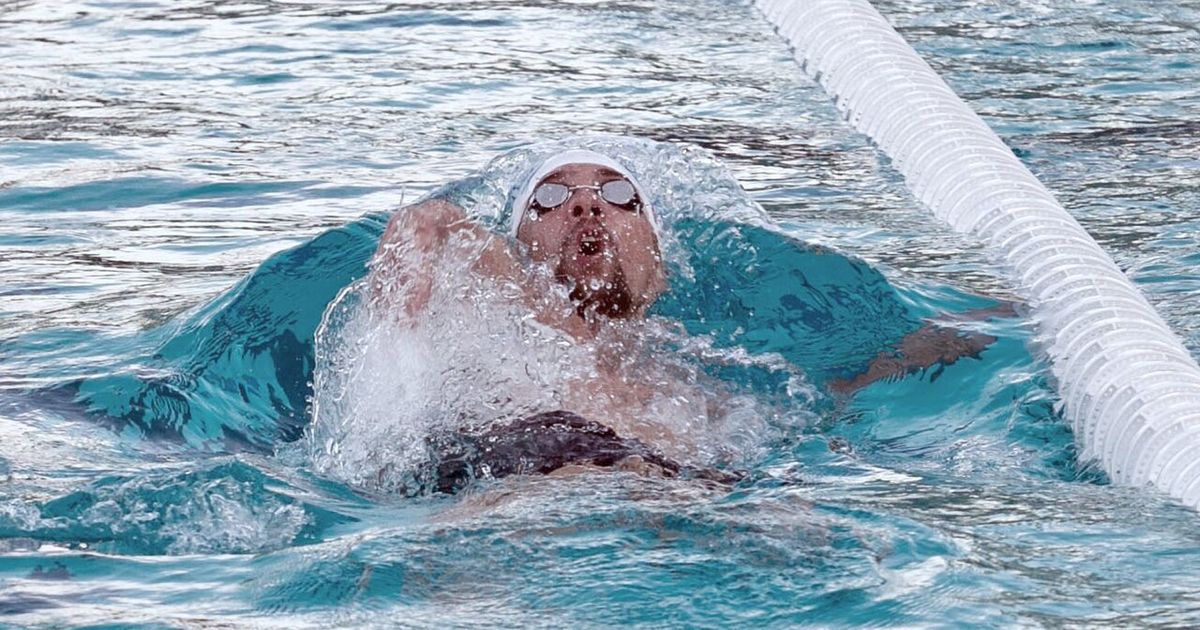
At his peak Phelps reportedly swam around 80,000 meters a week, close to 50 miles, in two sessions a day, five to six hours in the water, six or seven days a week. His coach Bob Bowman has said that for roughly five years before the 2004 Olympics, Phelps did not take a single day off: Sundays, Christmas, his own birthday. Swimming is a full-body effort against the drag of water. Hours of it a day, year-round, burns energy at a rate almost no other lifestyle matches.
His intake was the output of his training load. That is why it tells you almost nothing about what you should eat.
Your calorie needs scale with your training
The concept under Phelps's plate is Total Daily Energy Expenditure: resting metabolism plus everything you do, training included. His was extreme because his training was extreme. Estimate what your body uses:
1日の総消費カロリー (TDEE)
2517kcal/day
体重を維持できる量
安静時代謝 (BMR)
1624kcal/day
完全な安静時のエネルギー
TDEEに基づく、目標別の目安
| 維持推奨TDEEと同じだけ食べる | 2,517 kcal |
| 減量 (約20%のマイナス)トレーニングを守れる持続可能なペース | 2,013 kcal |
| 増量・筋肥大 (約15%のプラス)余分な脂肪をつけずに適応を促す | 2,894 kcal |
- これは測定値ではなく推定値です。予測式には数百kcalの誤差があるので、2〜3週間の体重の推移を見て調整してください。
- 総カロリーは全体の半分にすぎません。アスリートにとっては、タンパク質の摂取量や、きついセッション前後の炭水化物のタイミングが、1日の数値と同じくらい重要です。
- 活動係数は最も不確実性の大きい要素です。体重が予測どおりに動かない場合は、どのレベルが自分の1週間に正直に当てはまるか見直してください。
パーソナライズされた結果のPDFと、いつでも再表示できるQRコード付き。
Enter your body stats, activity level and training and you get a realistic daily energy figure. For almost everyone it lands at a fraction of an Olympian's, because almost everyone trains at a fraction of the volume. An hour of endurance exercise for a typical age-grouper burns hundreds of calories, and the hunger after a hard session routinely talks people into replacing far more than they spent. Fuel the training you did. The fast age-grouper post is built on the same reality check.
The most decorated Olympian, then a normal plate
Phelps retired after the 2016 Rio Olympics. The training load ended, and so did the intake. The plate was never about him. It was about the work.
What you can steal from it
- Ignore the headline number. Phelps never ate 12,000 calories, and his real figure only applied to 50 miles of swimming a week.
- Estimate your real needs. Anchor your eating to a daily calorie figure from your body and training.
- Respect how big pro training loads are. The intake made sense only because of ~80,000 meters a week.
- Watch the post-session overshoot. Replace what you spent, not what you crave.
- Fuel the training you did. Your needs rise and fall with your load. Let them.
More in this series: Léon Marchand, coached by Phelps's own coach Bob Bowman, Katie Ledecky and the fast age-grouper on eight hours a week.
Sources
Cover photo by JD Lasica, CC BY 2.0, via Wikimedia Commons.
.jpg)